
Richard Vedly Paul
Connecting people with Haitian culture through visual storytelling.
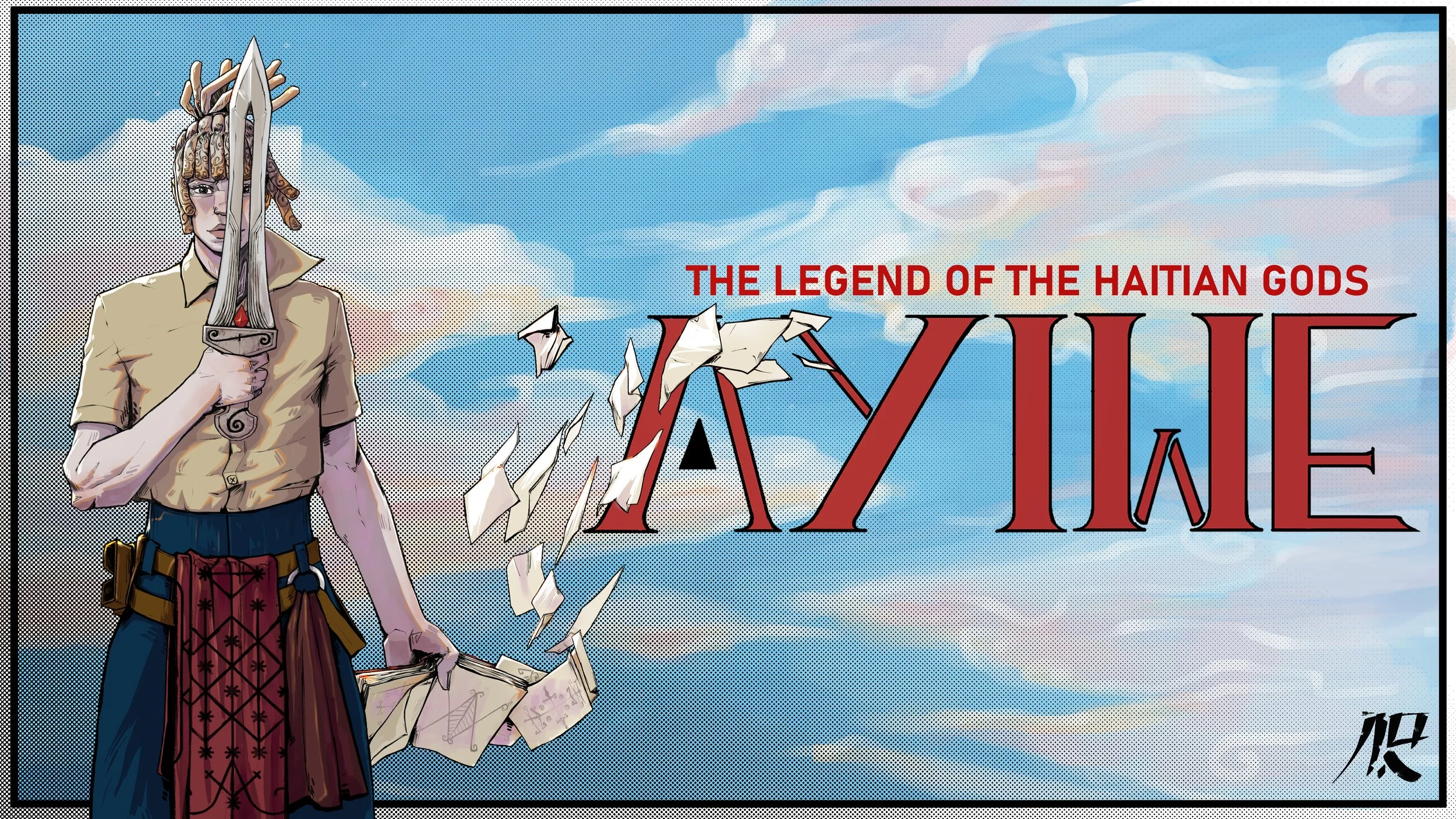
Today I’m designing my own graphic novel, Ayiwe, combining fantasy, mythology and Haitian Vodou.



Own a piece
of authentic haitian art
Free shipping for US customers
〰️
Free shipping for US customers 〰️

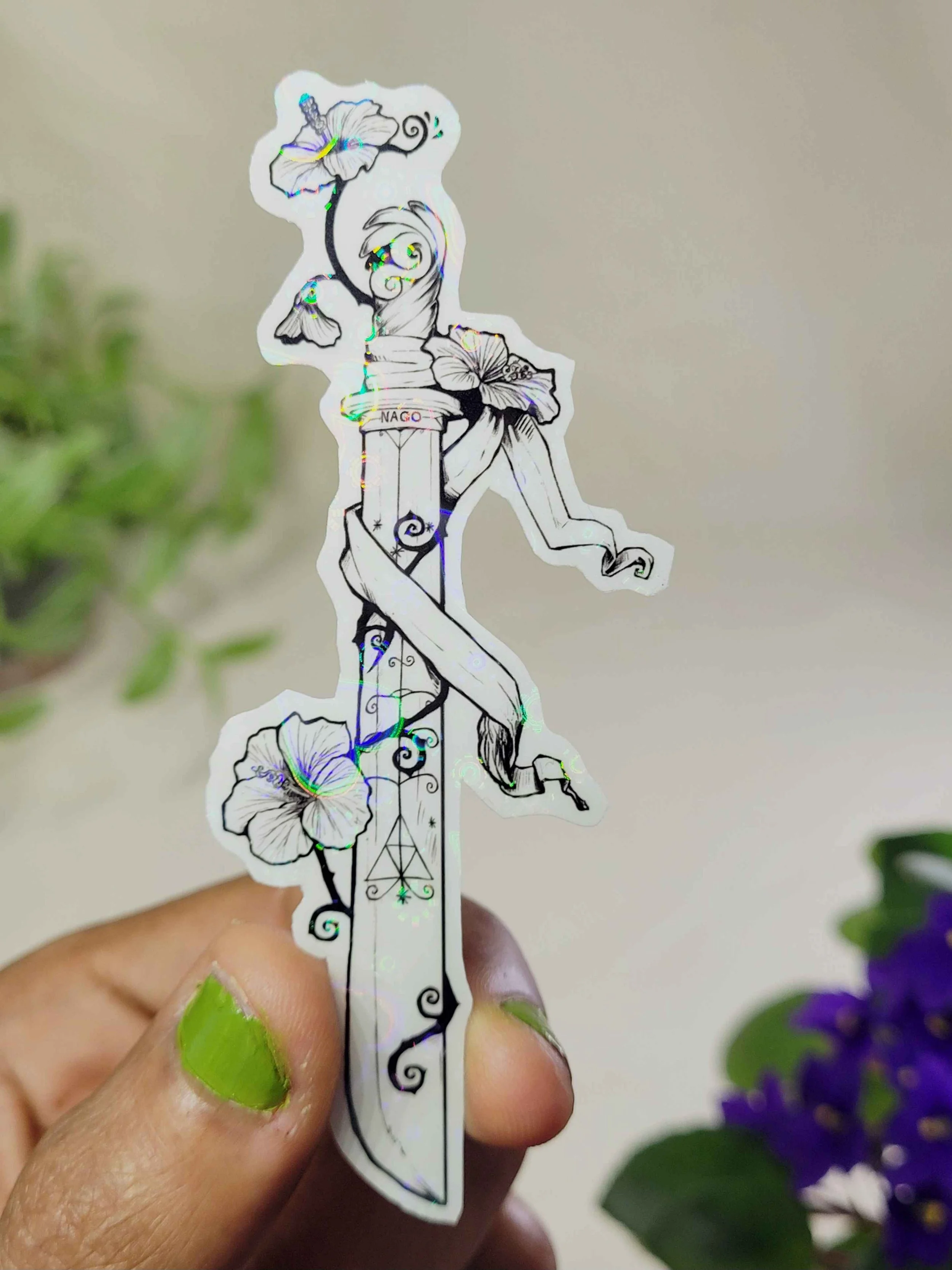

4’’ water resistant sticker
Made with HTVRONT printable glossy vinyl paper
Laminated with Bleidruck self laminating paper
Handcut
Inspired by haitian vodou mythology.
Ogou reveals how power must be forged, tempered, and aimed if freedom is to be won and held.
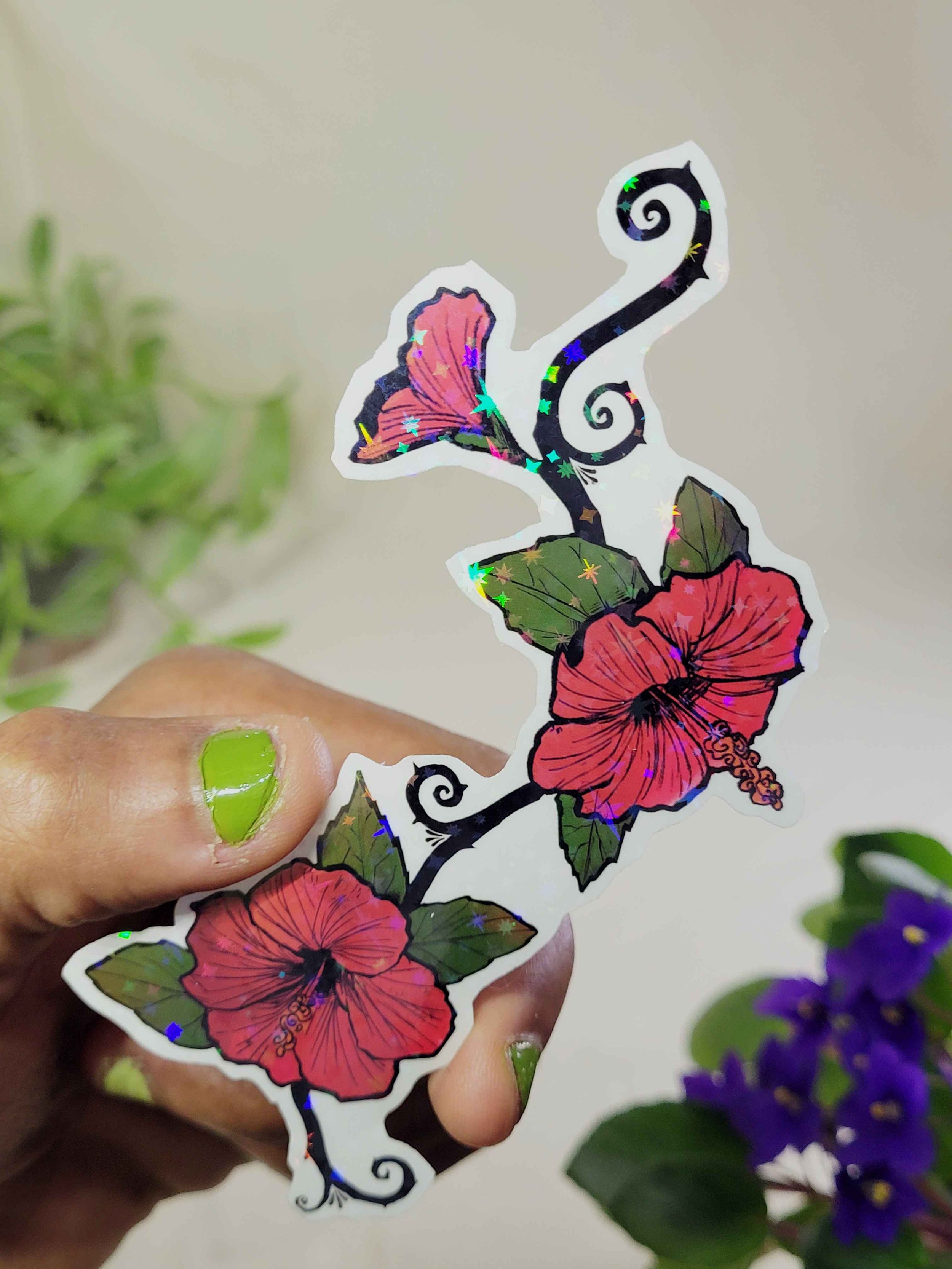
4’’ water resistant sticker
Made with HTVRONT printable glossy vinyl paper
Laminated with Bleidruck self laminating paper
Handcut
Inspired by haitian vodou mythology.
The hibiscus flower is often considered as haiti unofficial flower. Often usen in tourism ads, it represents the vibrancy of the island as much as a flower can convey that.
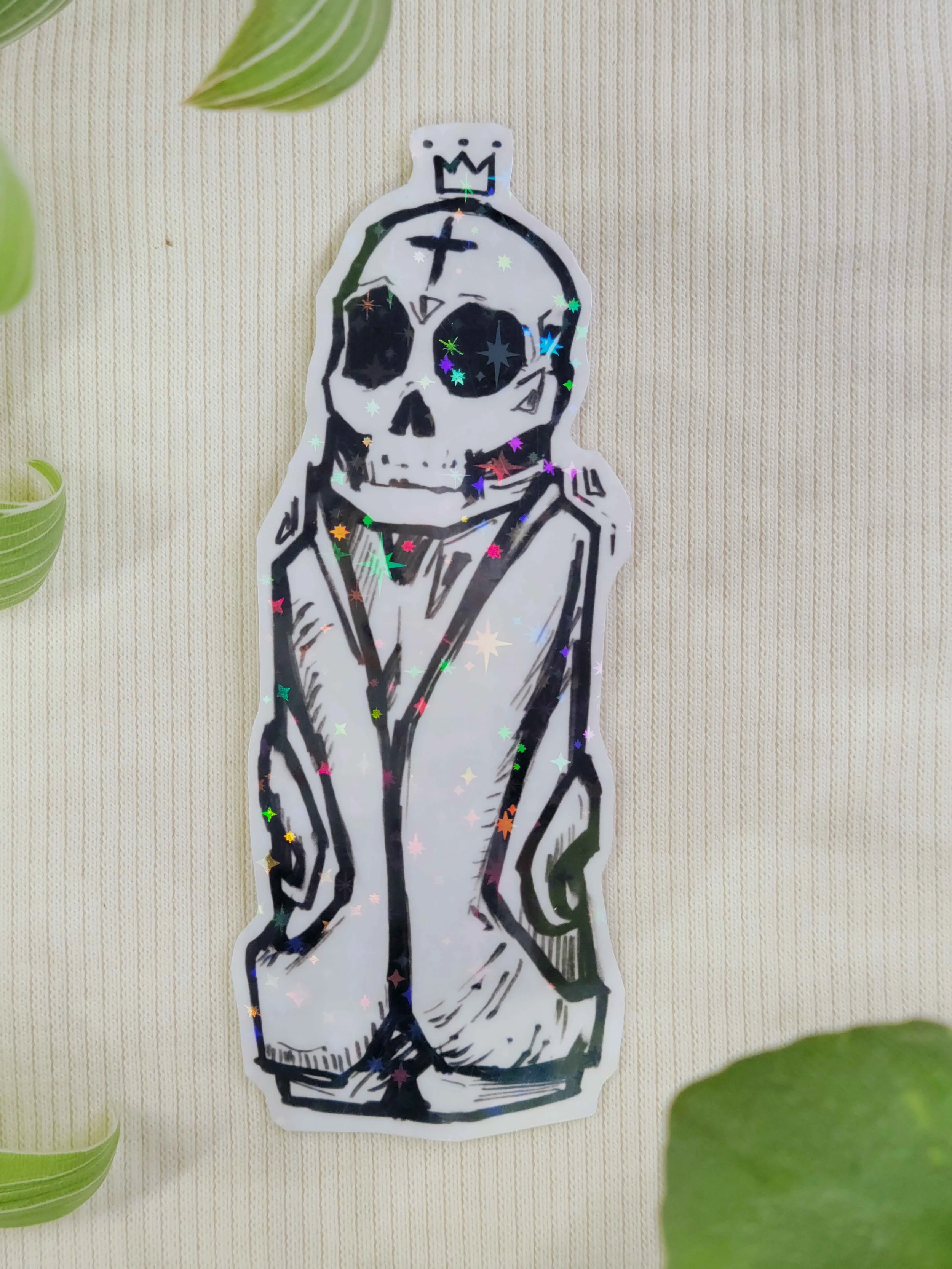
4’’ water resistant sticker
Made with HTVRONT printable glossy vinyl paper
Laminated with Bleidruck self laminating paper
Handcut
Inspired by haitian vodou mythology.
Gede (or Ghede/Guede) is the family of spirits, or lwas of the elevated dead in Haitian Vodou mythology. Often referred to as “he,” there are female Gede, trans Gede, and Gede who are children. They are known to be a group of loud, funny, irreverent, and sexual lwas; all Gedes act out.
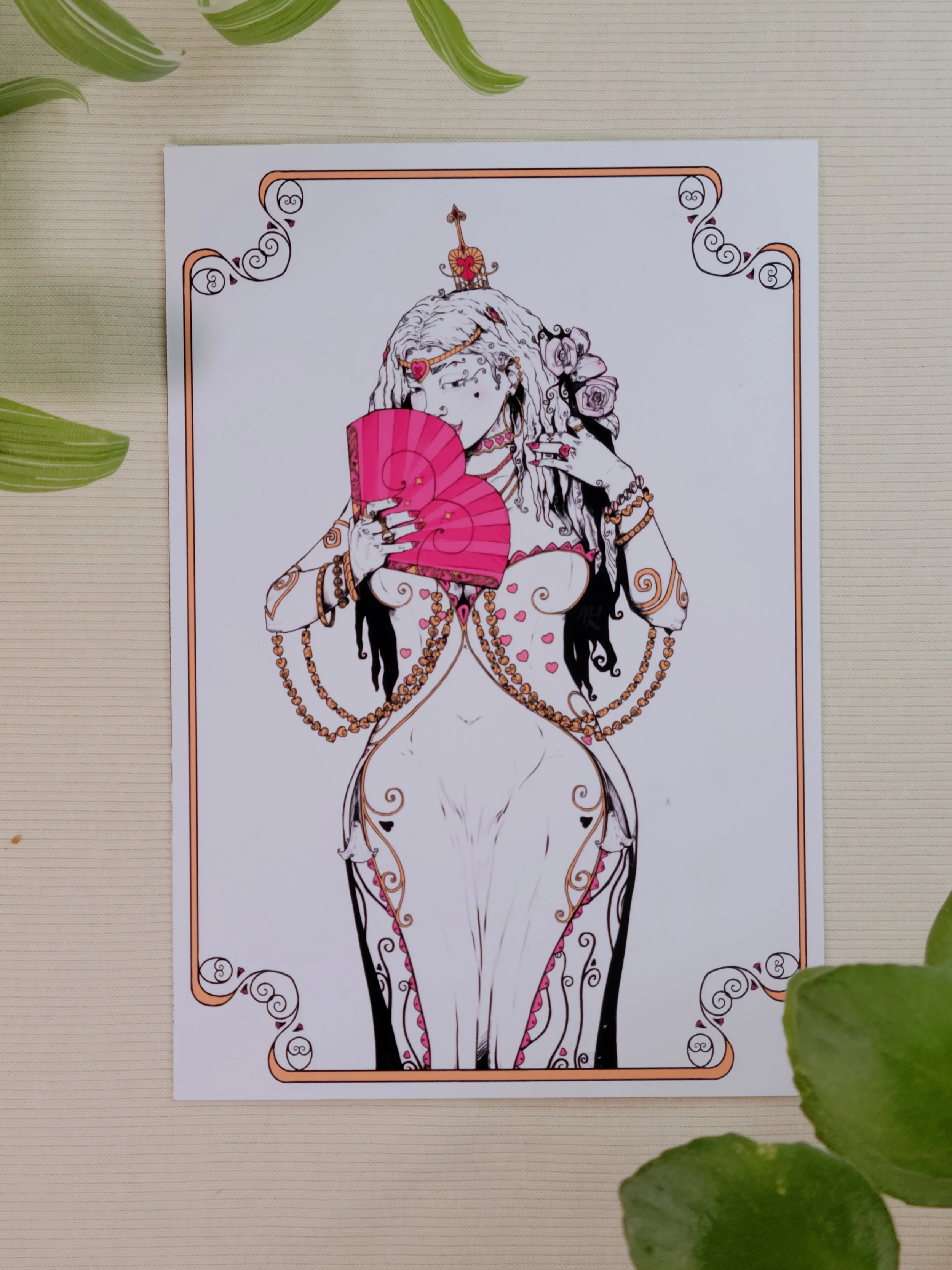
5 × 7 - 13 × 19 print
Printed on Staples Matte Ultra premium photo paper
61lb 230 g/m2
hand trimmed to size expect some imperfection
Inspired by Haitian Vodou mythology
signed and dated by artist
limited quantity available
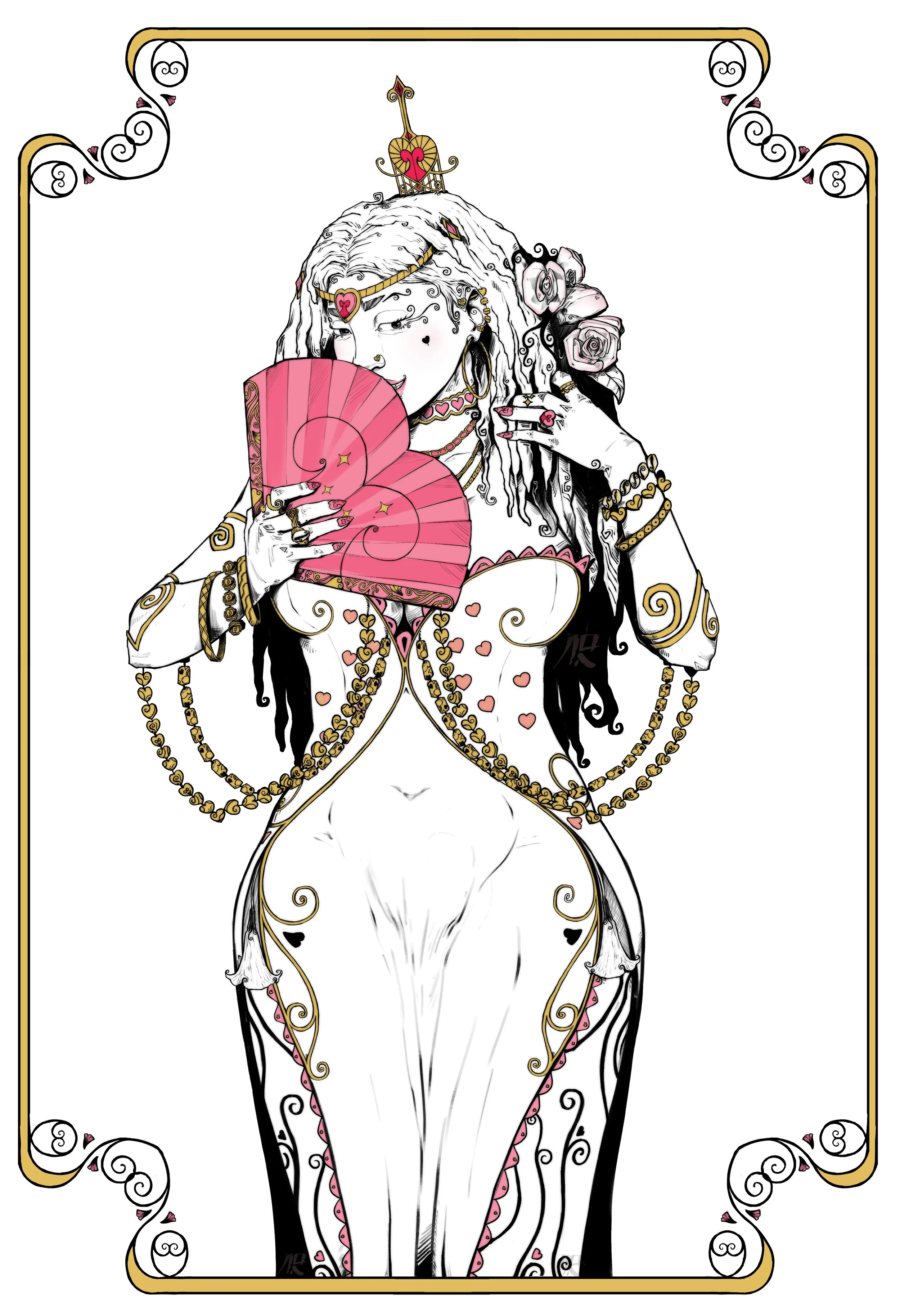
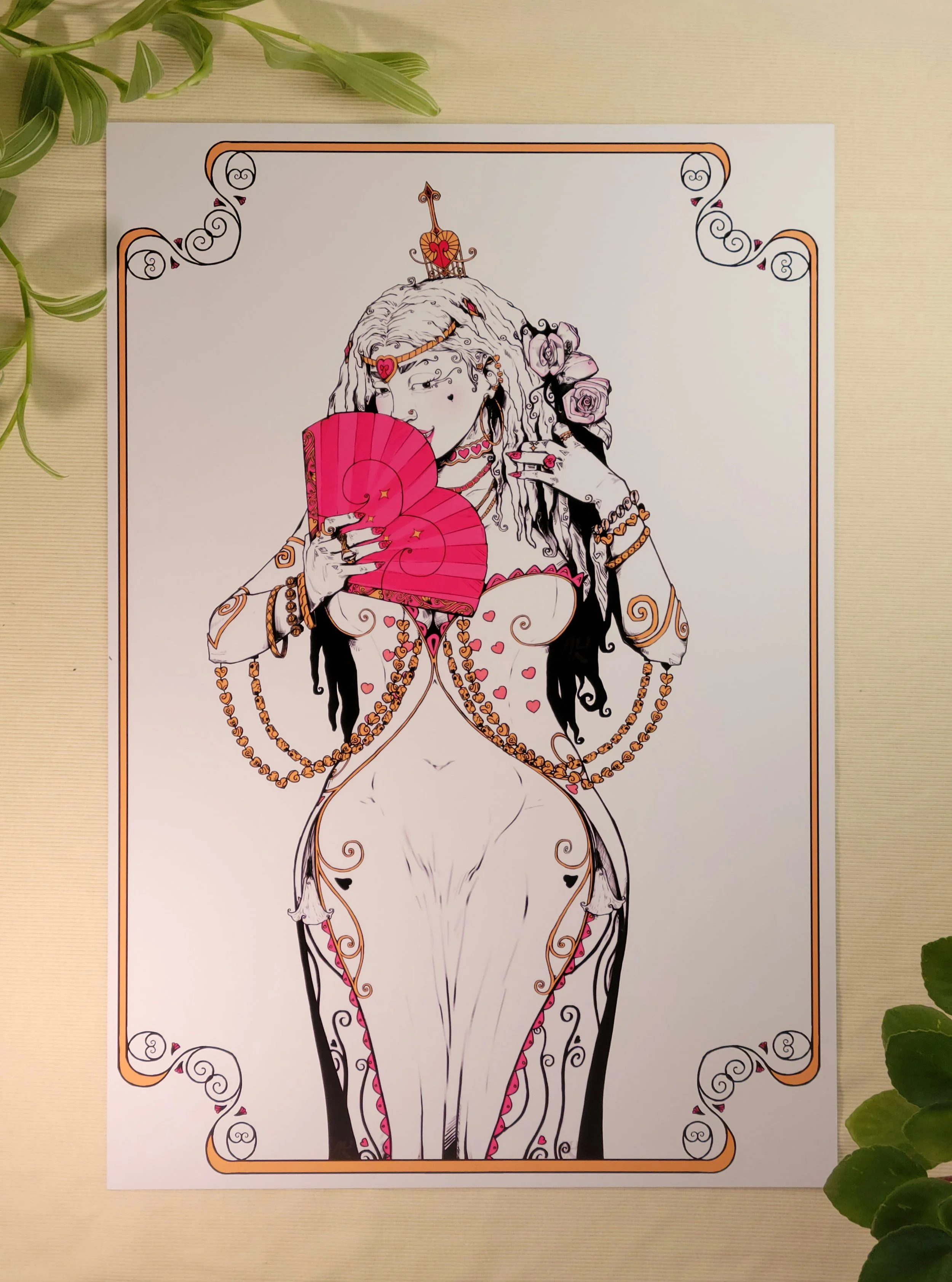
That day, the goddess wore a pink dress dotted with hearts embroidered in gold thread. Her delicate chest rose with voluptuous breathing. Her left fingers were fitted with three rings. A sweet scent, a mixture of basil and Florida water, perfumed the air. She looked at herself in a mirror held in her left hand, and in her right hand a heart-shaped fan, her veve.
13 × 19 print
Printed on Staples Matte Ultra premium photo paper
61lb 230 g/m2
hand trimmed to size expect some imperfection
Inspired by Haitian Vodou mythology
signed and dated by artist
limited quantity available
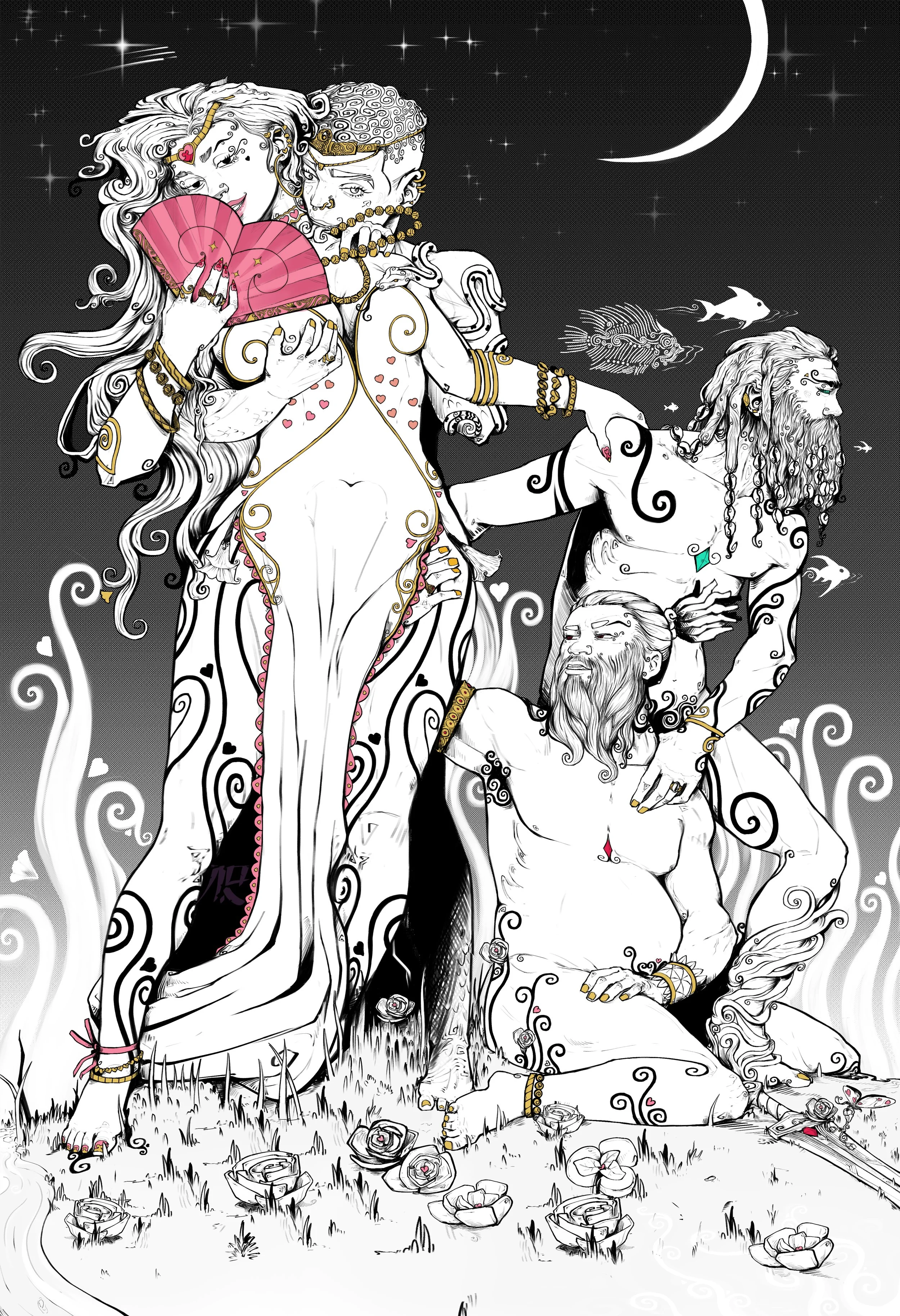
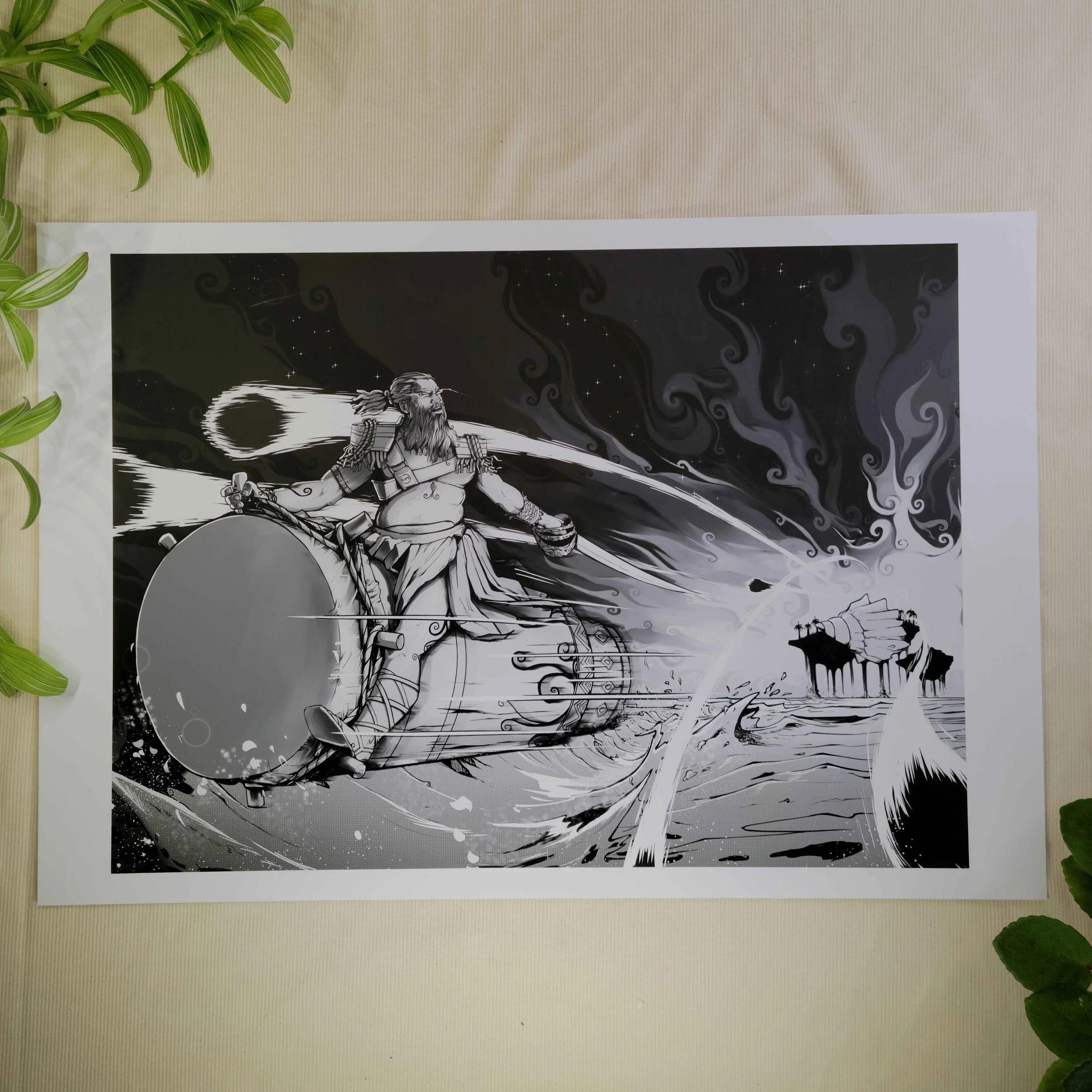
Fréda caused a quarrel between Badagri and Agwe. Agwe invited Badagri to a grand party at his palace in Trois Ilet . Agwe did the unthinkable, during the party, he accused Badagri of stealing his wife. Badgri got angry, and retorted back to Agwe:- who knows if you didn’t kidnap my daughter Ursule that drowned?. Agwe was foaming with rage and ordered his escort to attack Badagri. Badagri melted the cannonballs thrown at him with his fire, and with his saber, pushed aside the attackers. “Agwe’s fleet commanded by Master Ogou Balendjo was chasing Badagri. Guédé Nibo, who is part of Agwe's crew, was exultant. You should know that Badagri practically raised Nibo. And he too is in love with Freda. It was for this very reason that Badagri had to send him to live in the kingdom of the Gede. Badagri called upon Ogou Assôtor Michô for help, which arrived in the form of a two-meter-long drum that split the waters like a fish. Unfortunately for Agwe and his escort, the waves began to boil under the effect of Badagri’s fire allowing Badagri to escape safely.
13 × 19 print
Printed on Staples Matte Ultra premium photo paper
61lb 230 g/m2
hand trimmed to size expect some imperfection
Inspired by Haitian Vodou mythology
signed and dated by artist
limited quantity available
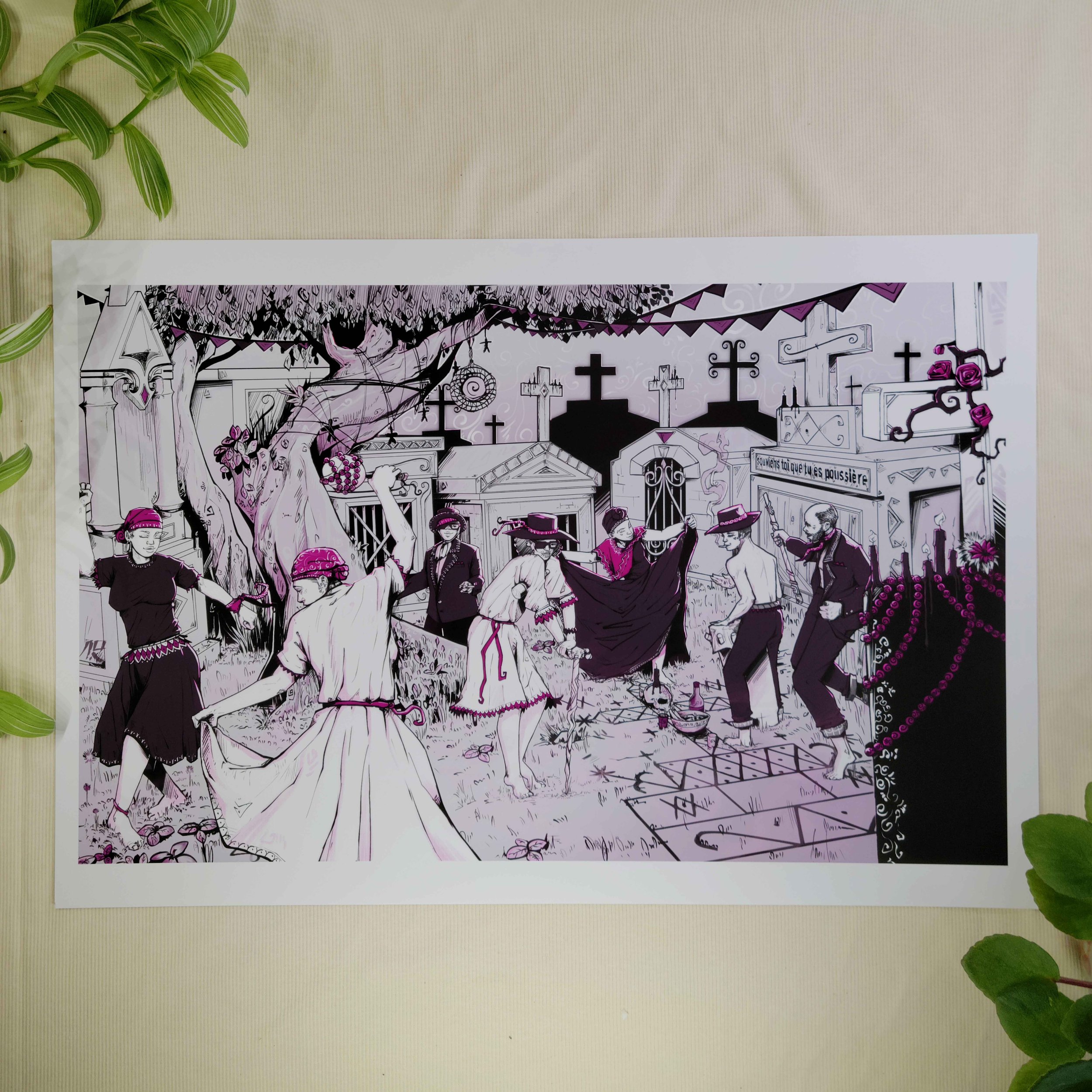
On November 1st and 2nd in Haiti, streets are filled with music, drums, and people dancing to celebrate another year of life. People also go to cemeteries to clean, offer food, sing, and dance.
Vodou practitioners, dressed in purple, black, and white, often hold a community gathering that consists of a large procession through the city for Gede and for all the dead. These processions are attended by houngan, manbo, hounsi kanzo, and ''sèvitè'' lwa from all the local peristyl (Vodou temples), and usually end in the cemetery with a ceremony.
It also is a day to give back, so many people cook large meals to share and give freely to others.
Most Vodou practitioners, to set a place for their ancestors, lay out a white cloth (the color of the ancestors) and place new candles. They also set a bowl of water with mint and basil on it. They make their family’s favorite foods.
Inspired by Haitian Vodou 〰️ Original artworks by Richard Vedly Paul
〰️
Inspired by Haitian Vodou 〰️ Original artworks by Richard Vedly Paul 〰️
Read the writing that fuels the art in the shop.
Get the story behind the art, illustrated and inspired by Haitian Vodou mythology.

