 Image 1 of 4
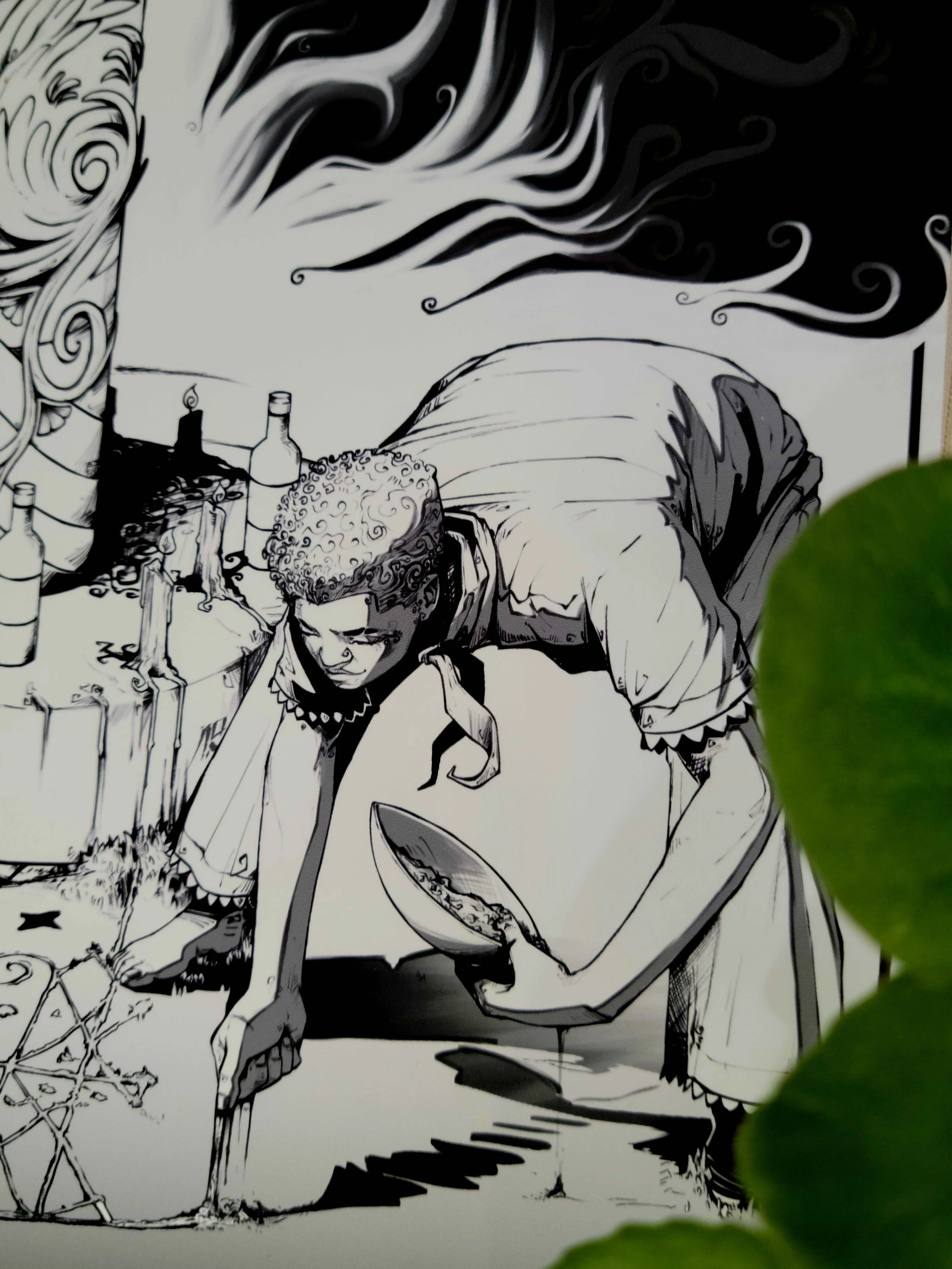 Image 2 of 4
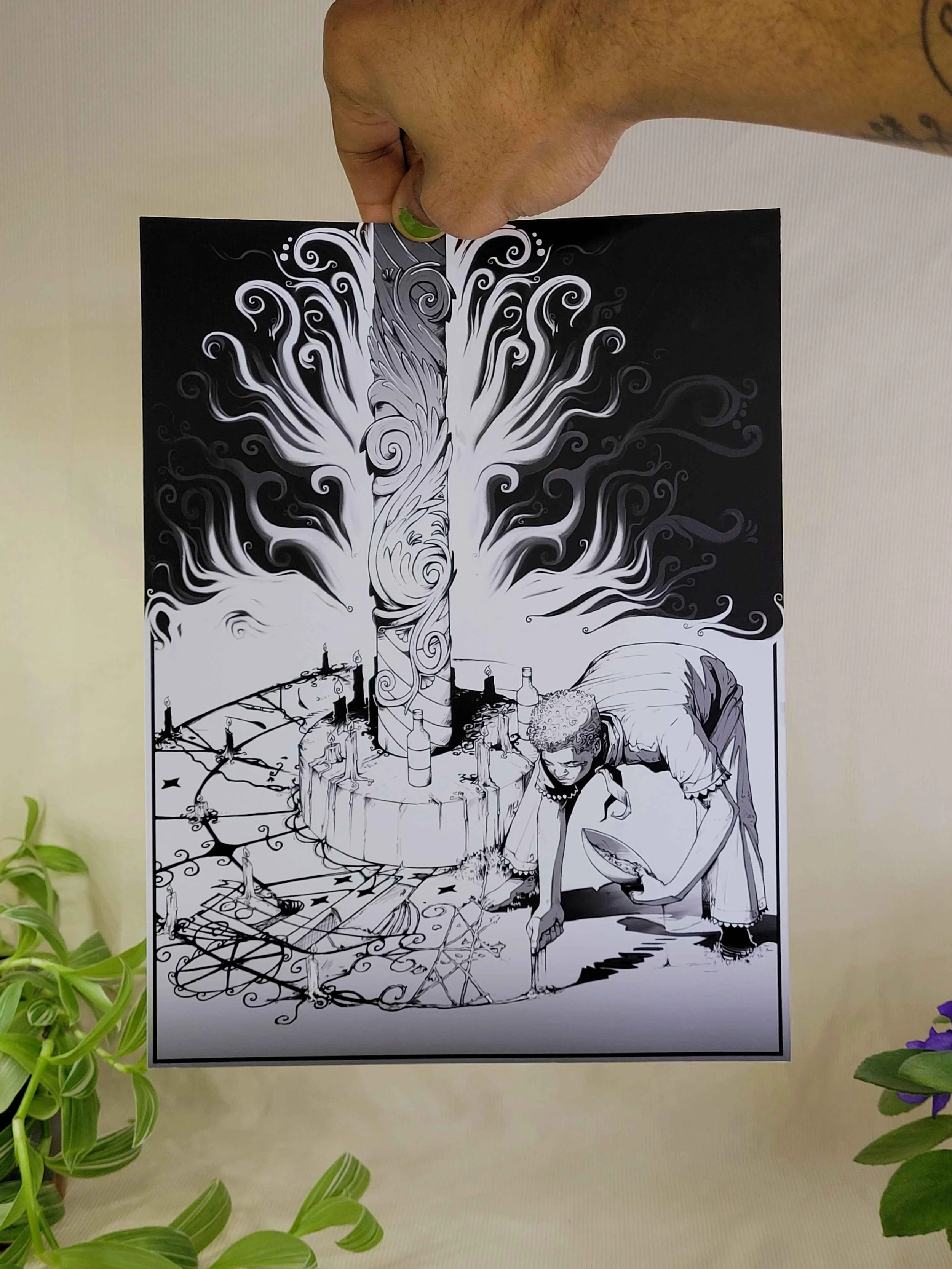 Image 3 of 4
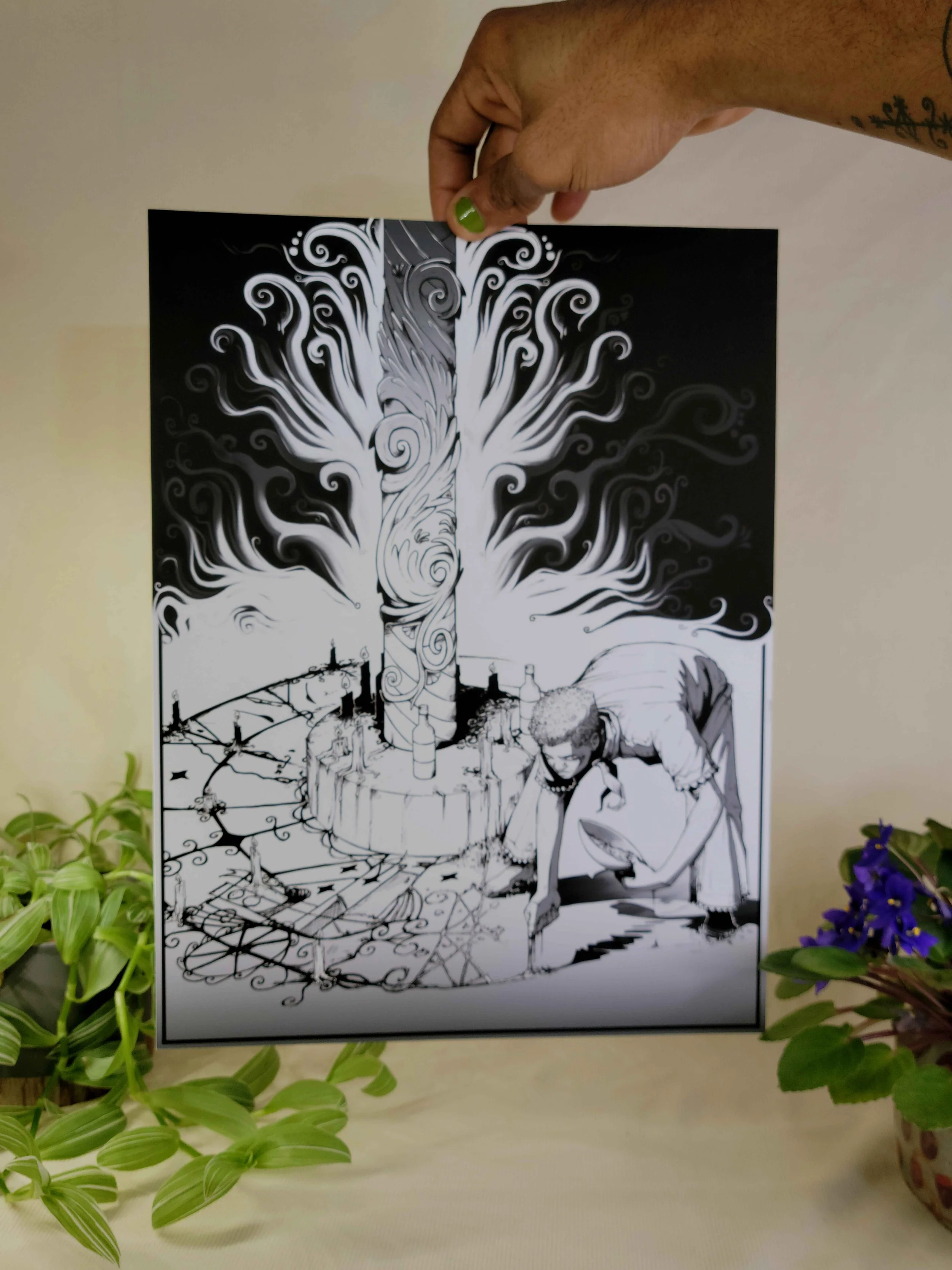 Image 4 of 4
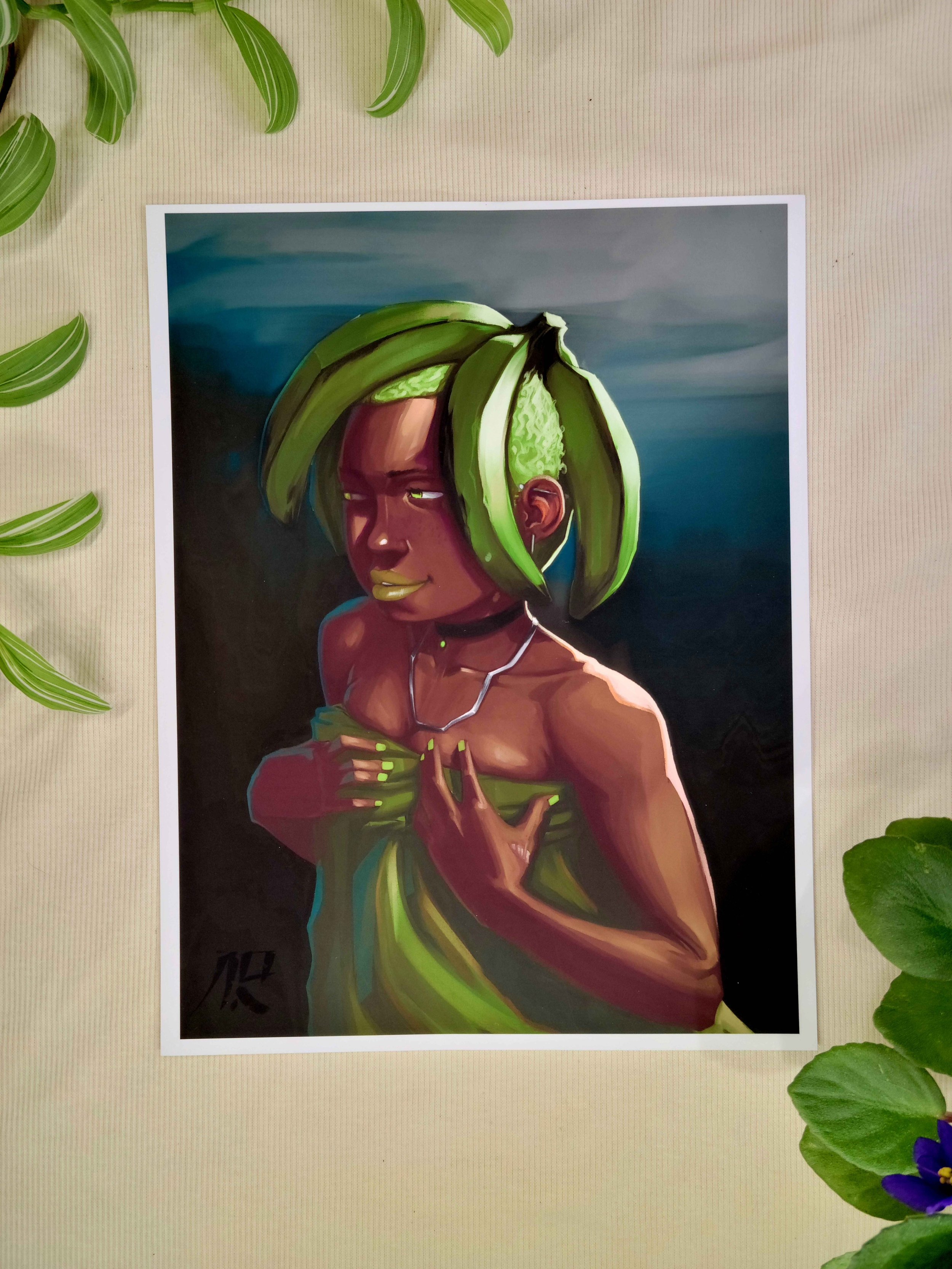
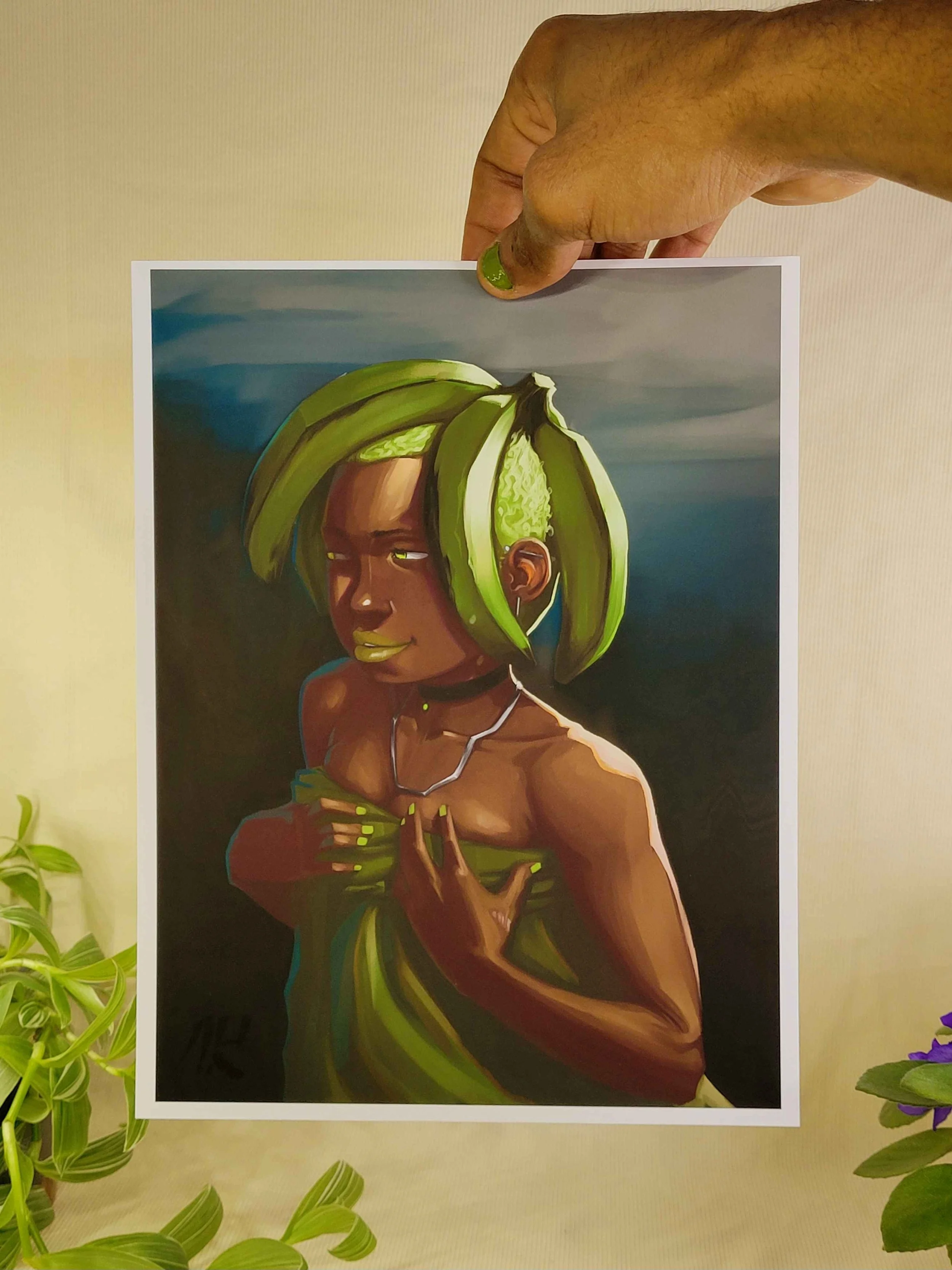
8.5×11 - 11×14
Printed on Staples Matte Ultra premium photo paper
61lb 230 g/m2
hand trimmed to size expect some imperfection
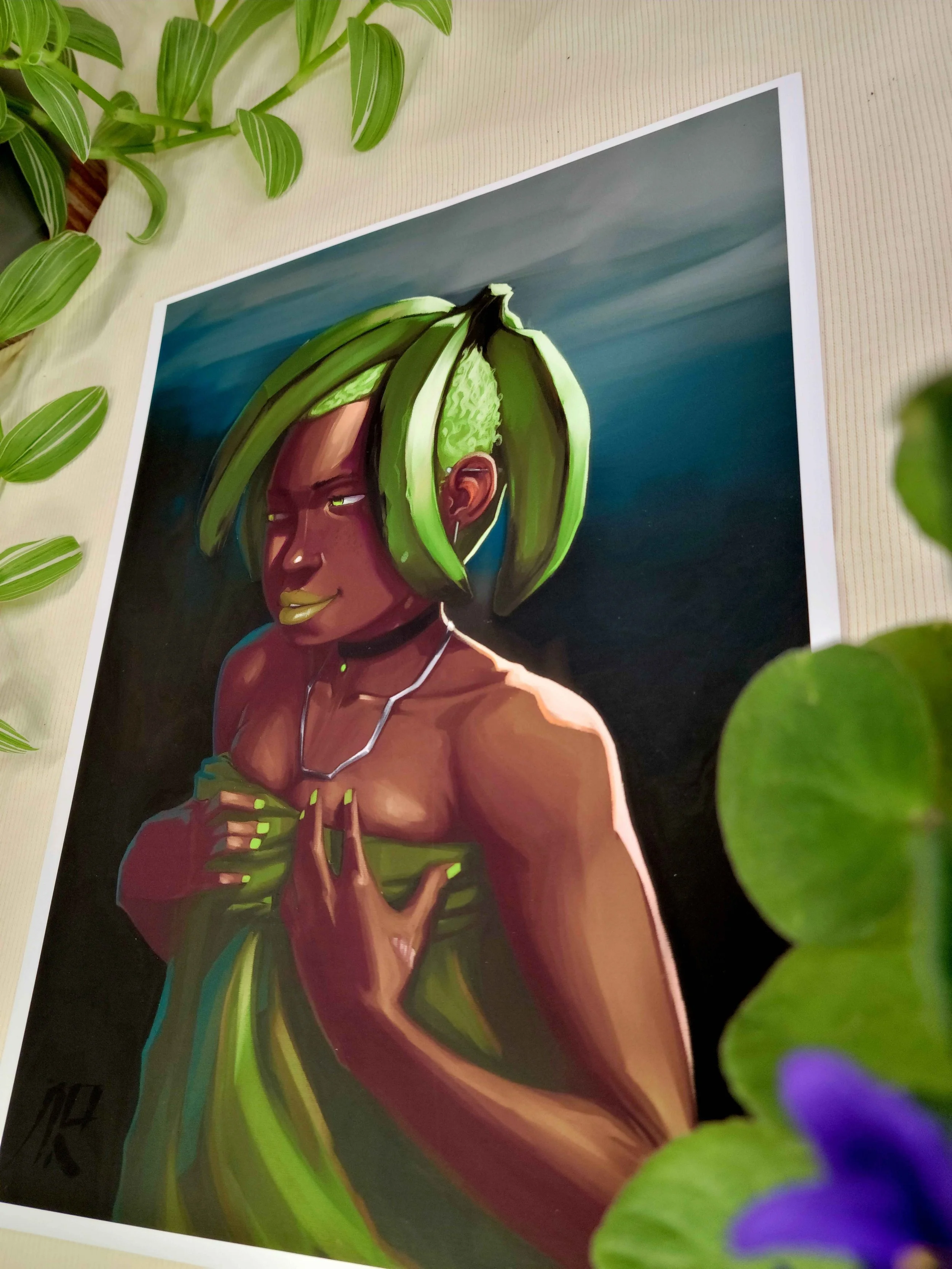
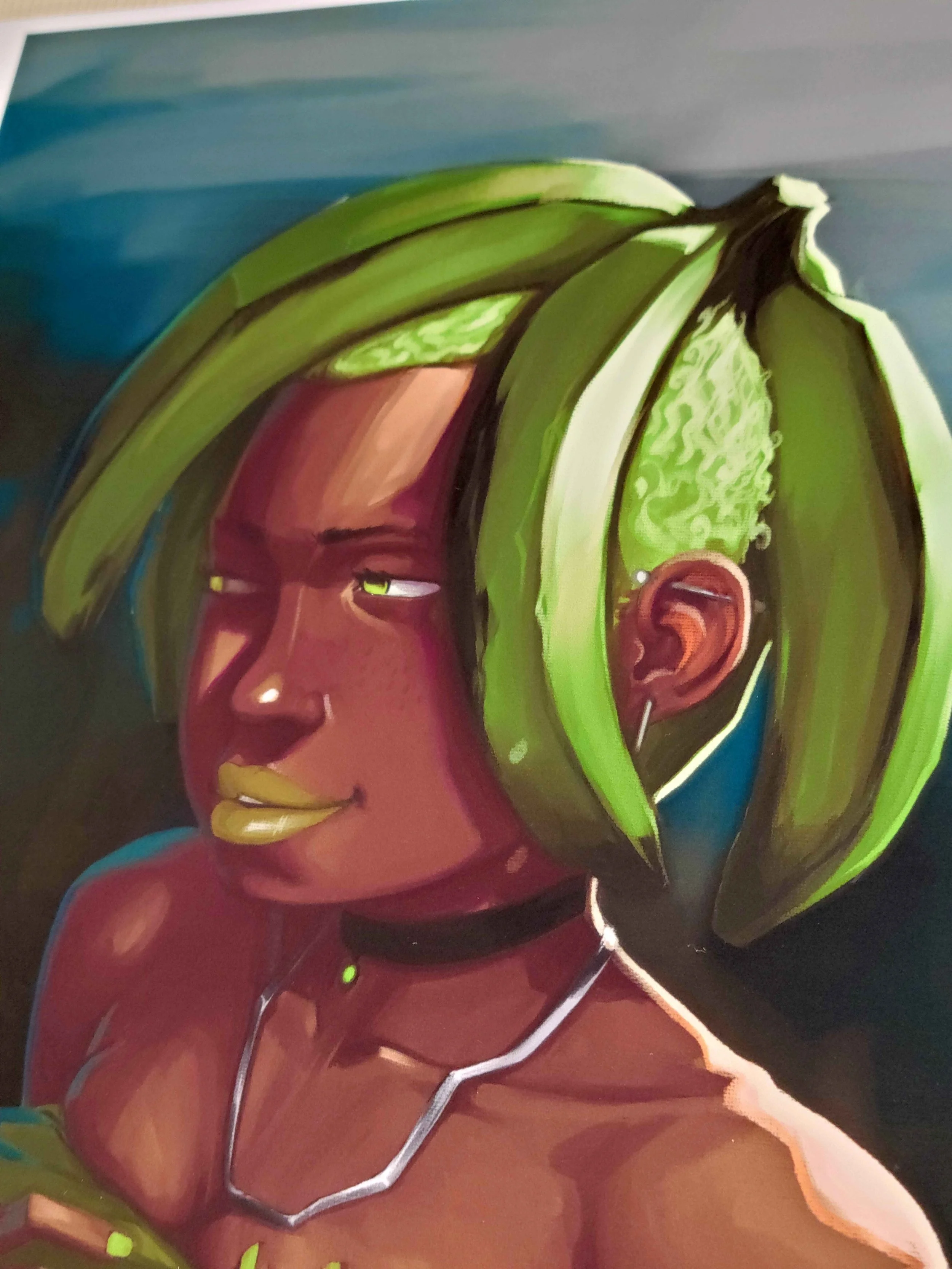
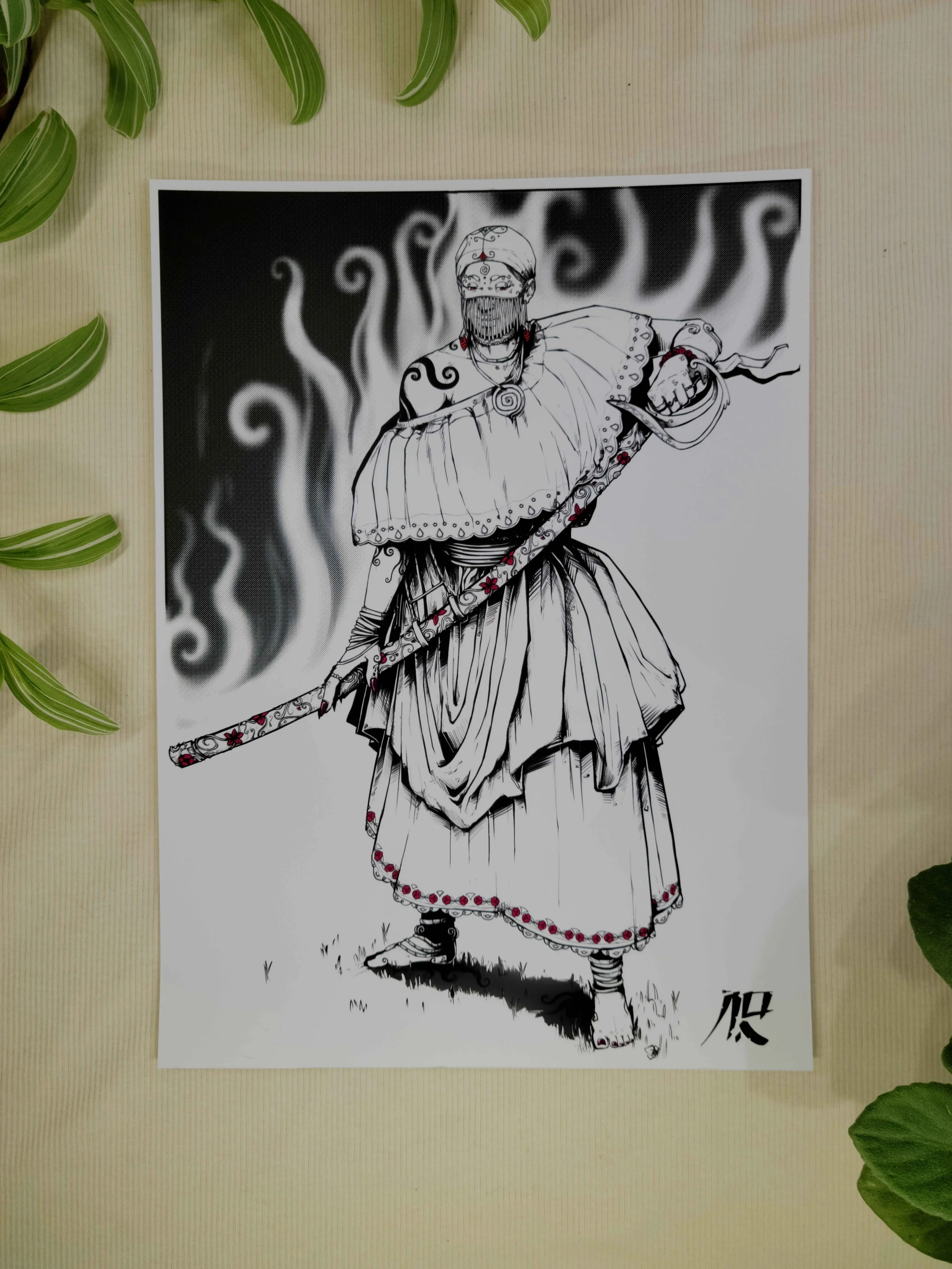
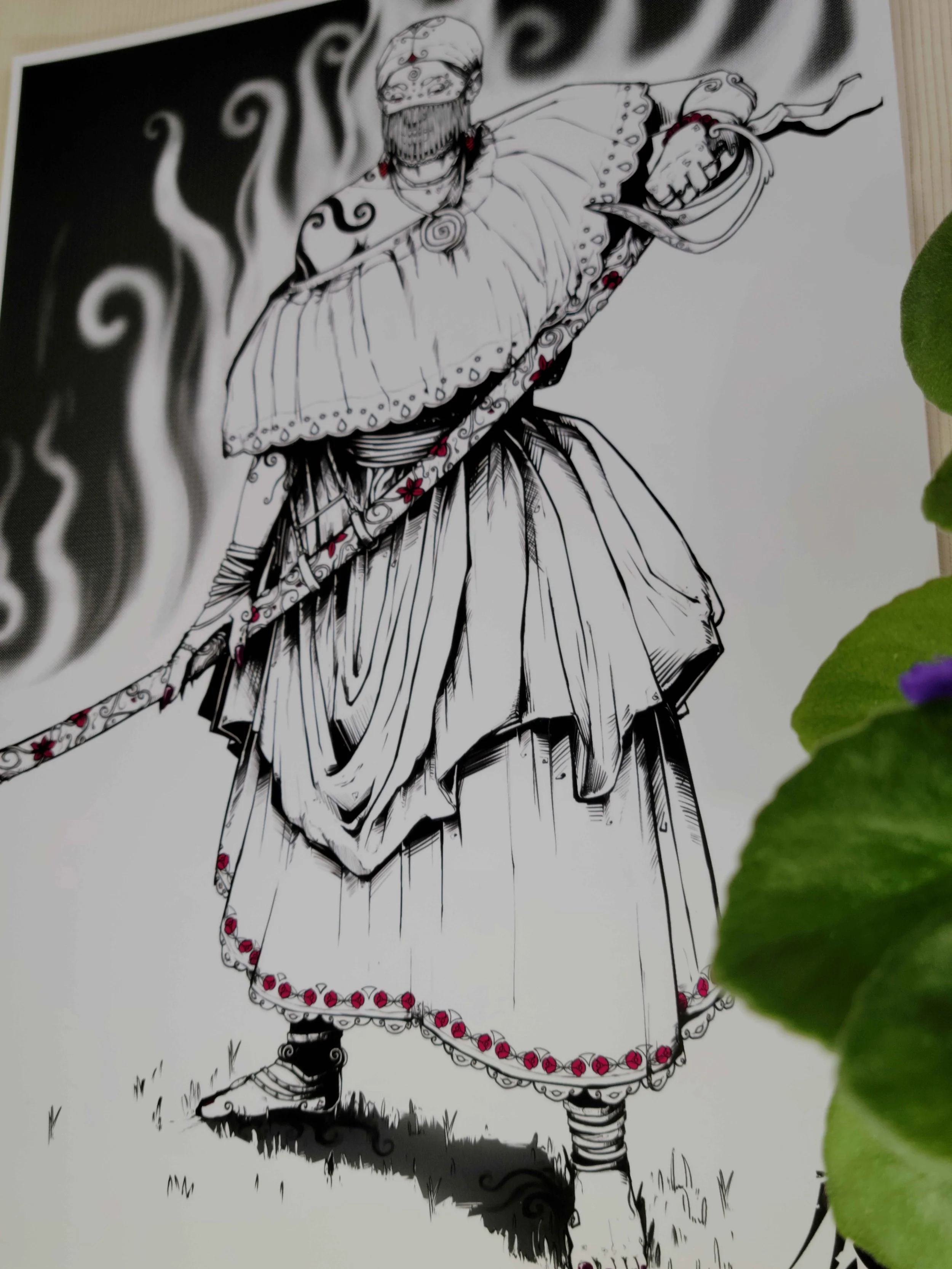
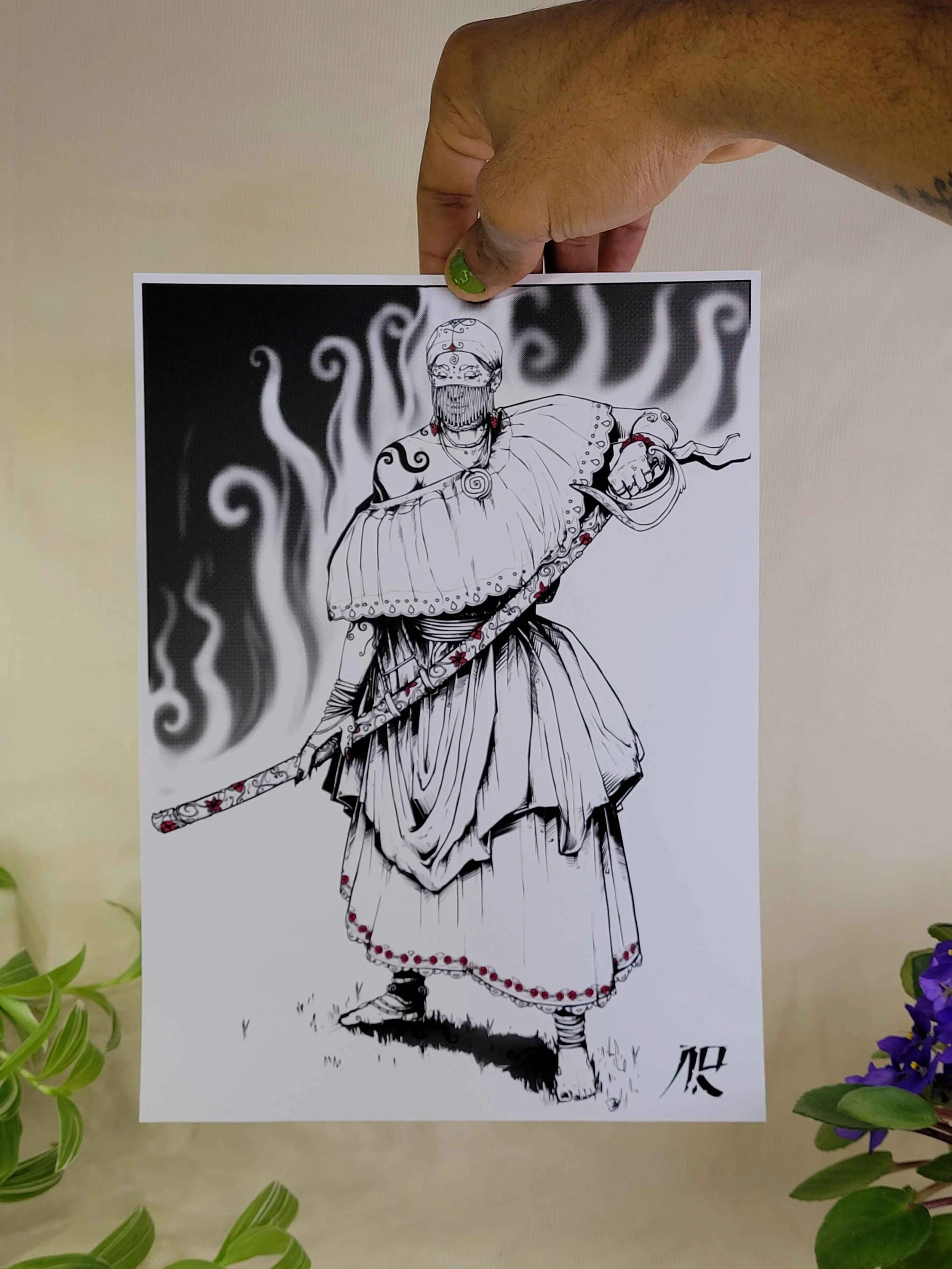
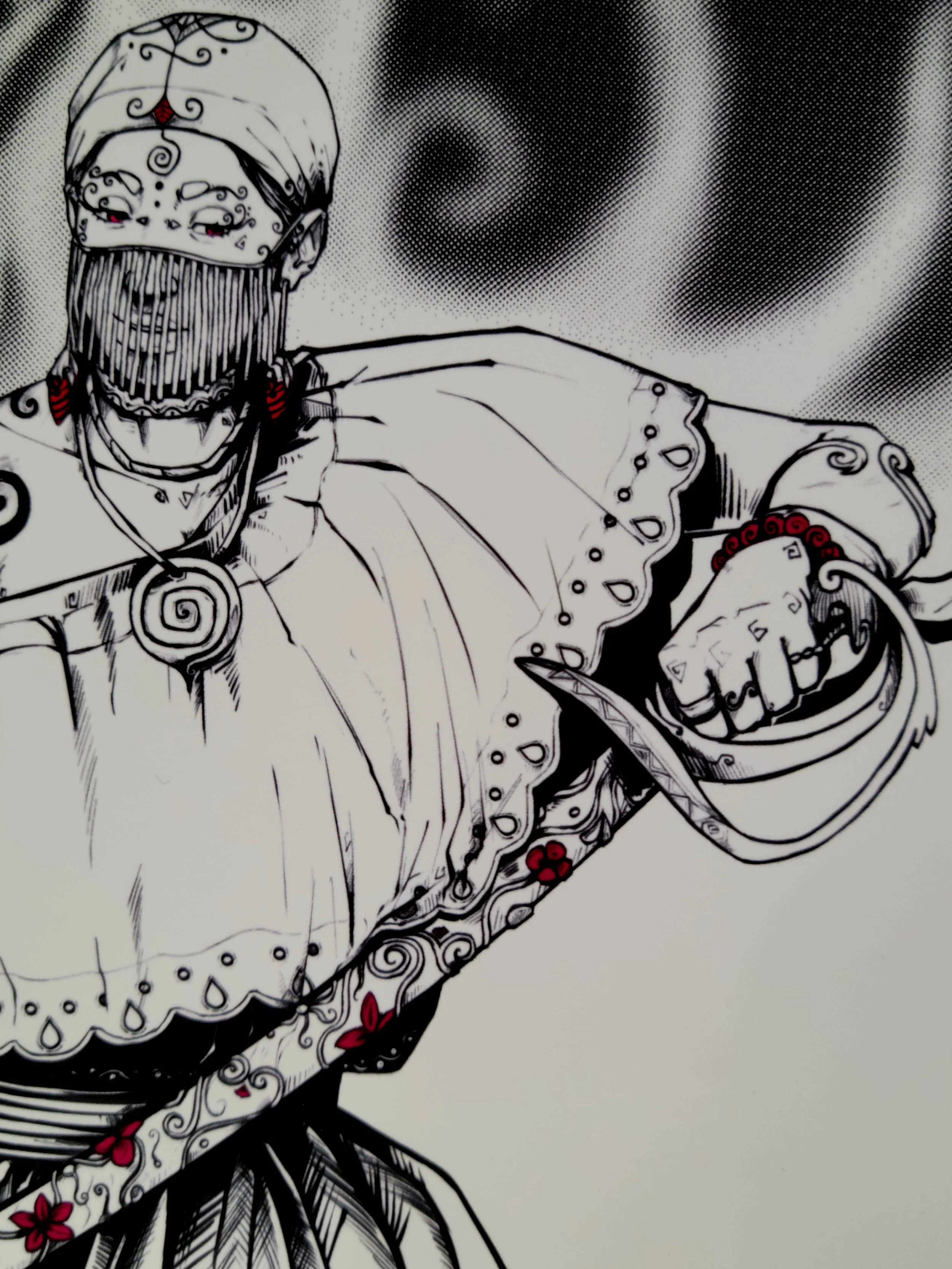
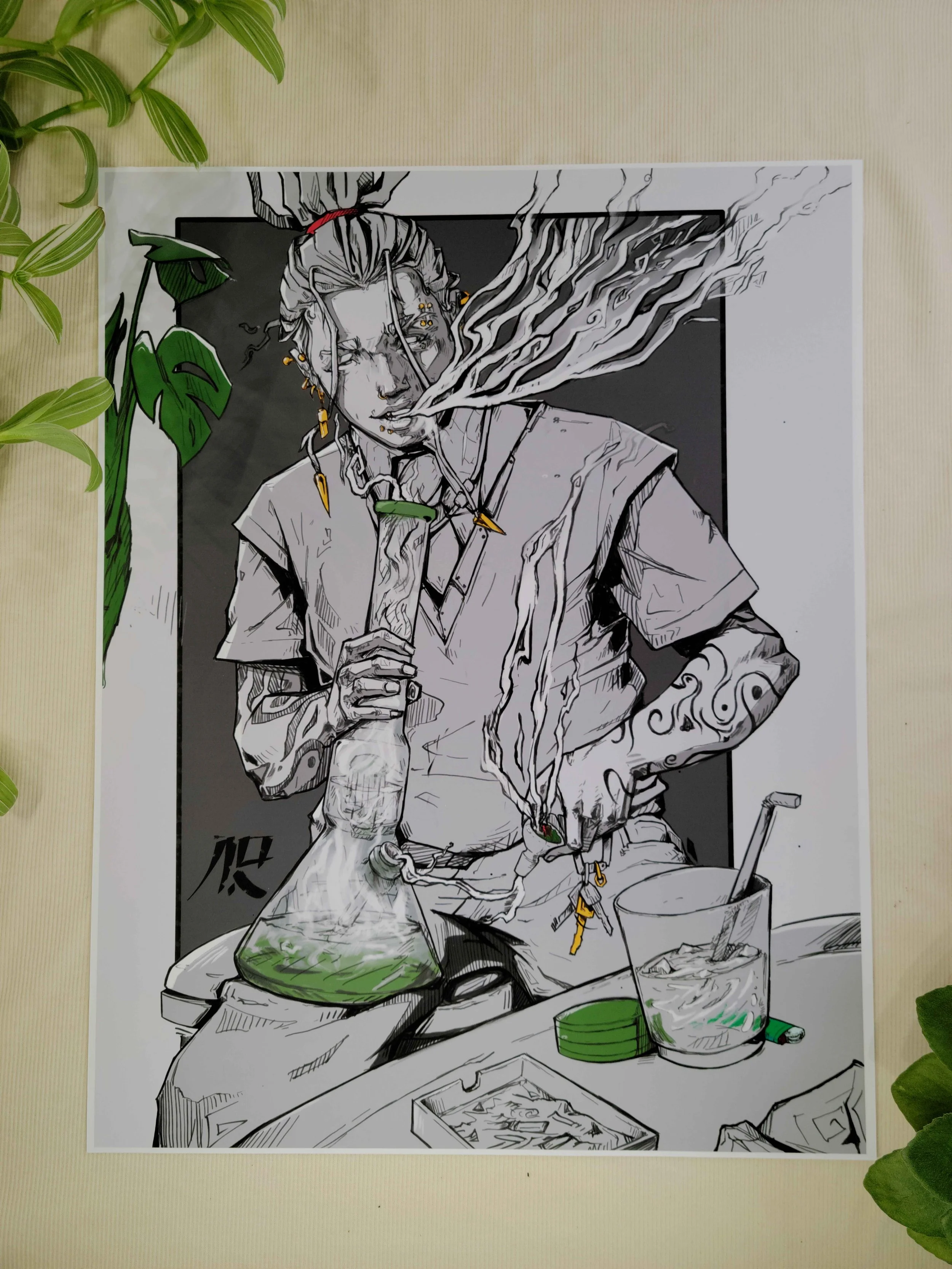
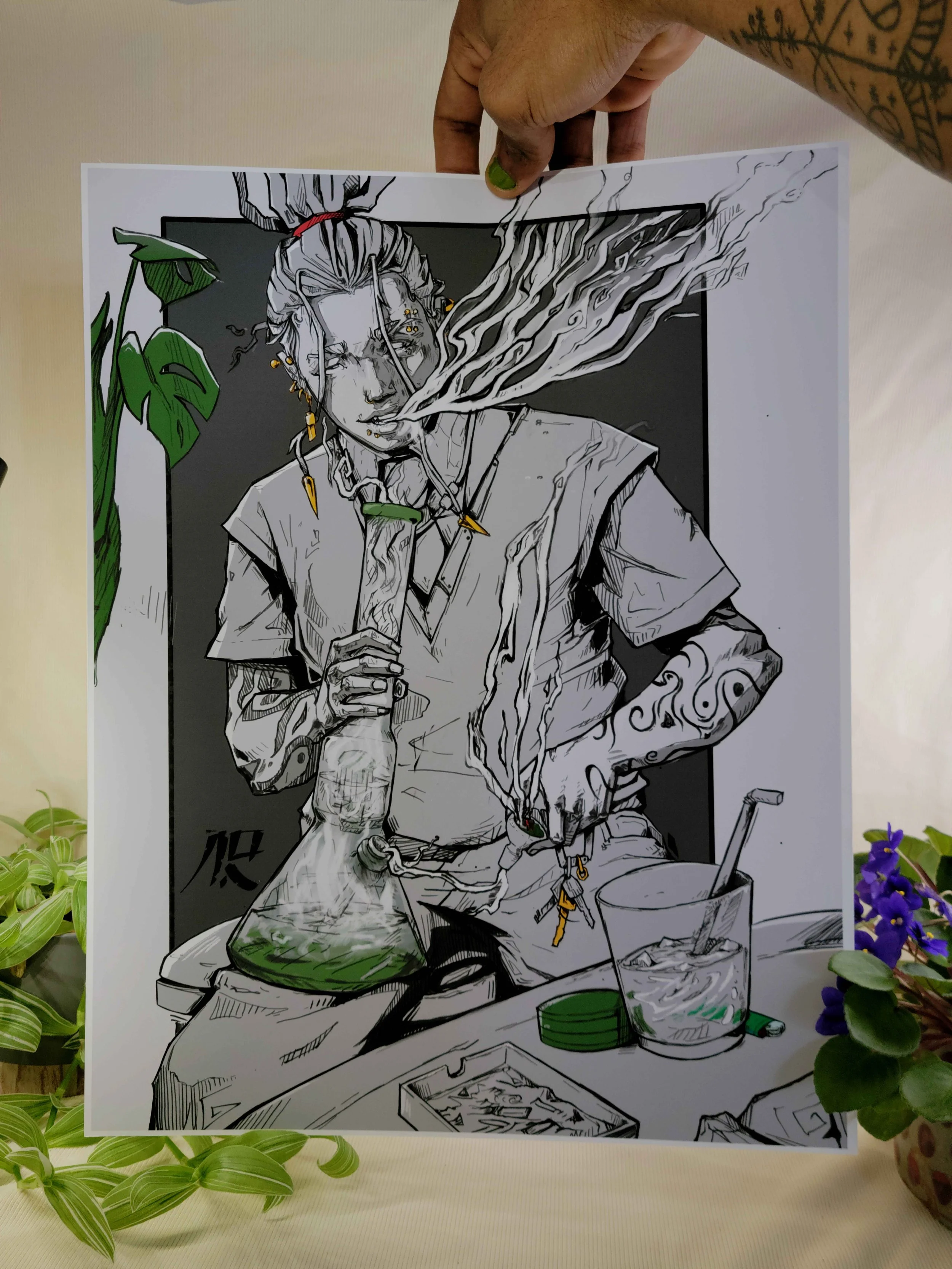
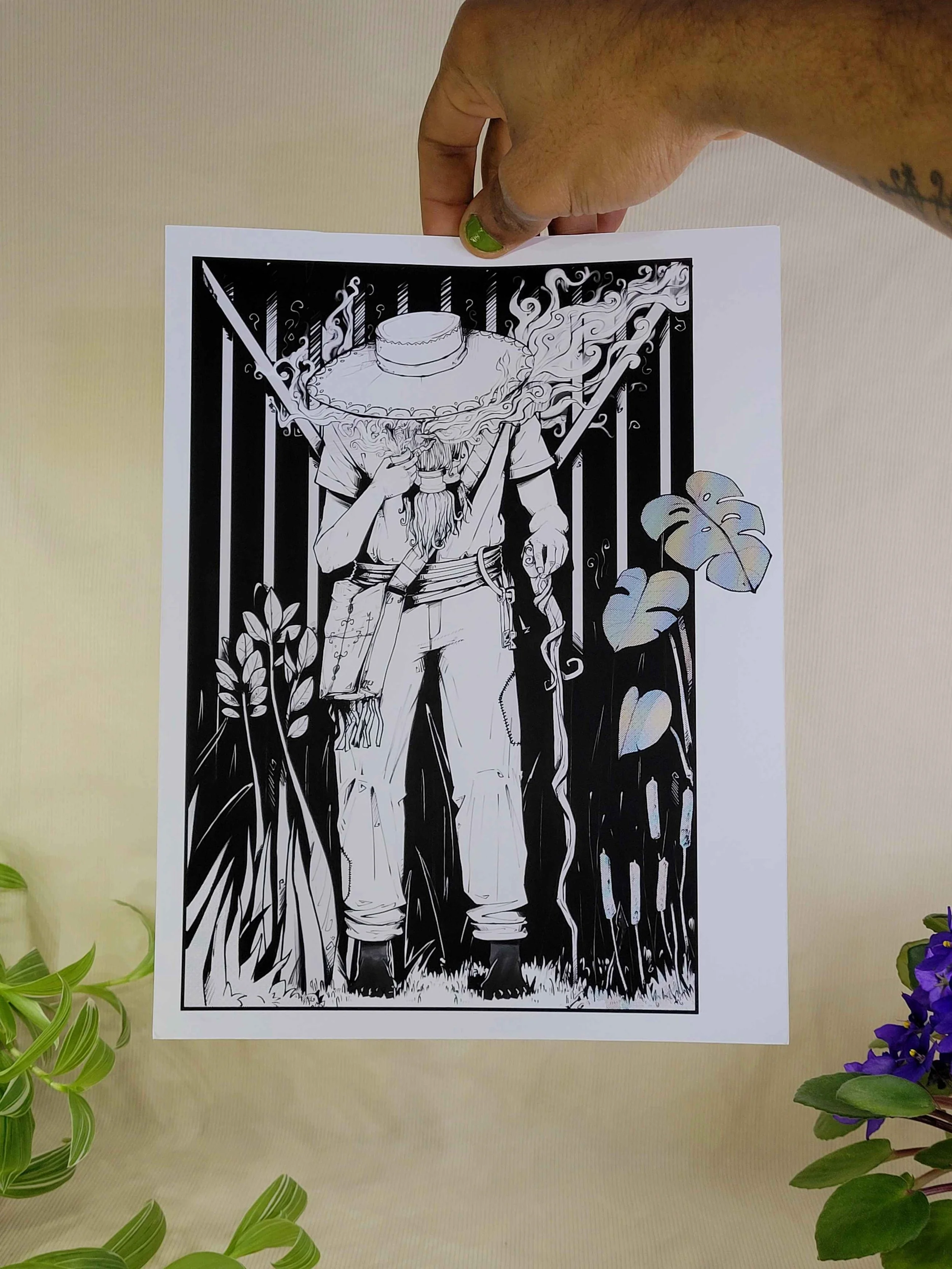
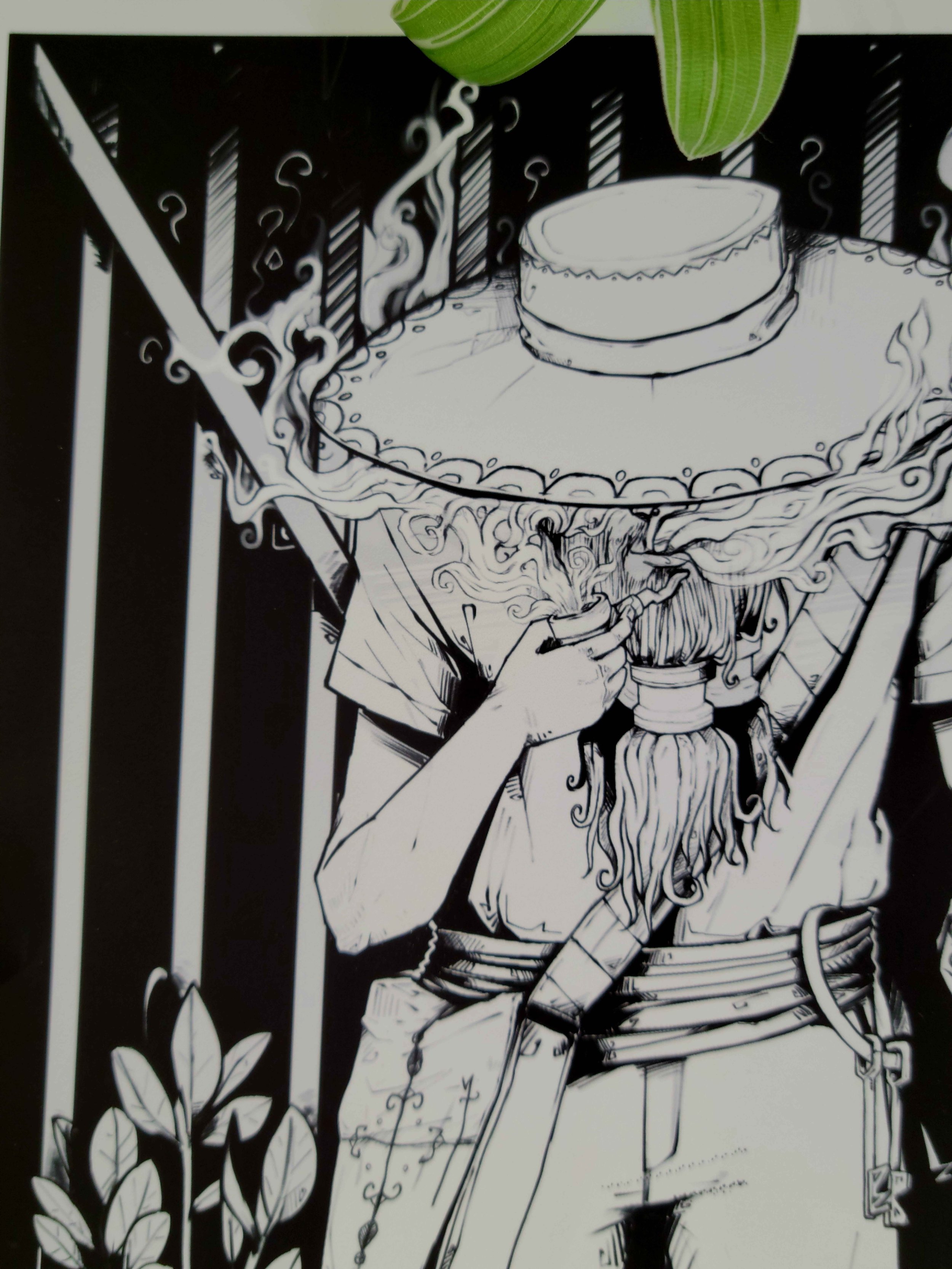
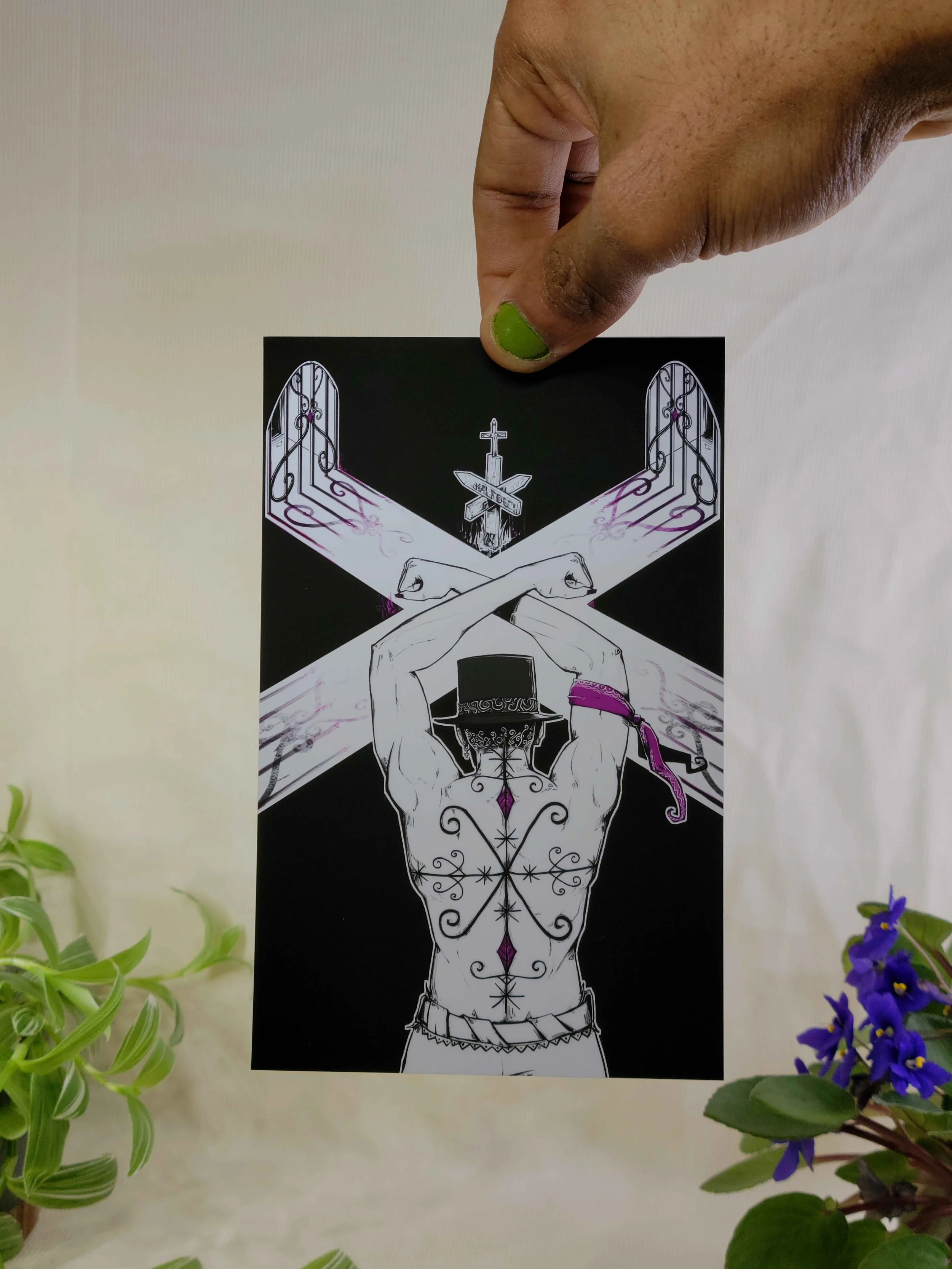
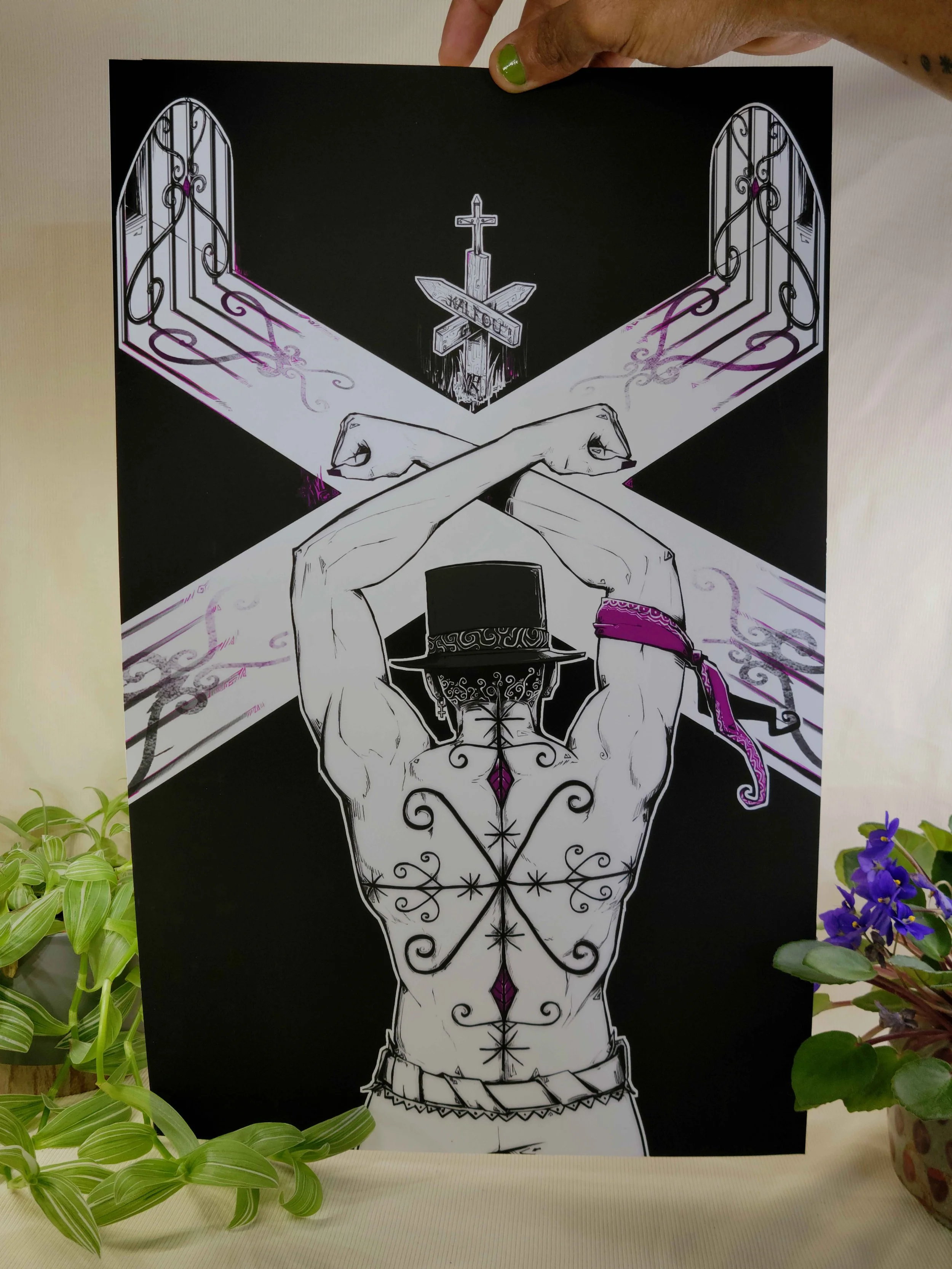
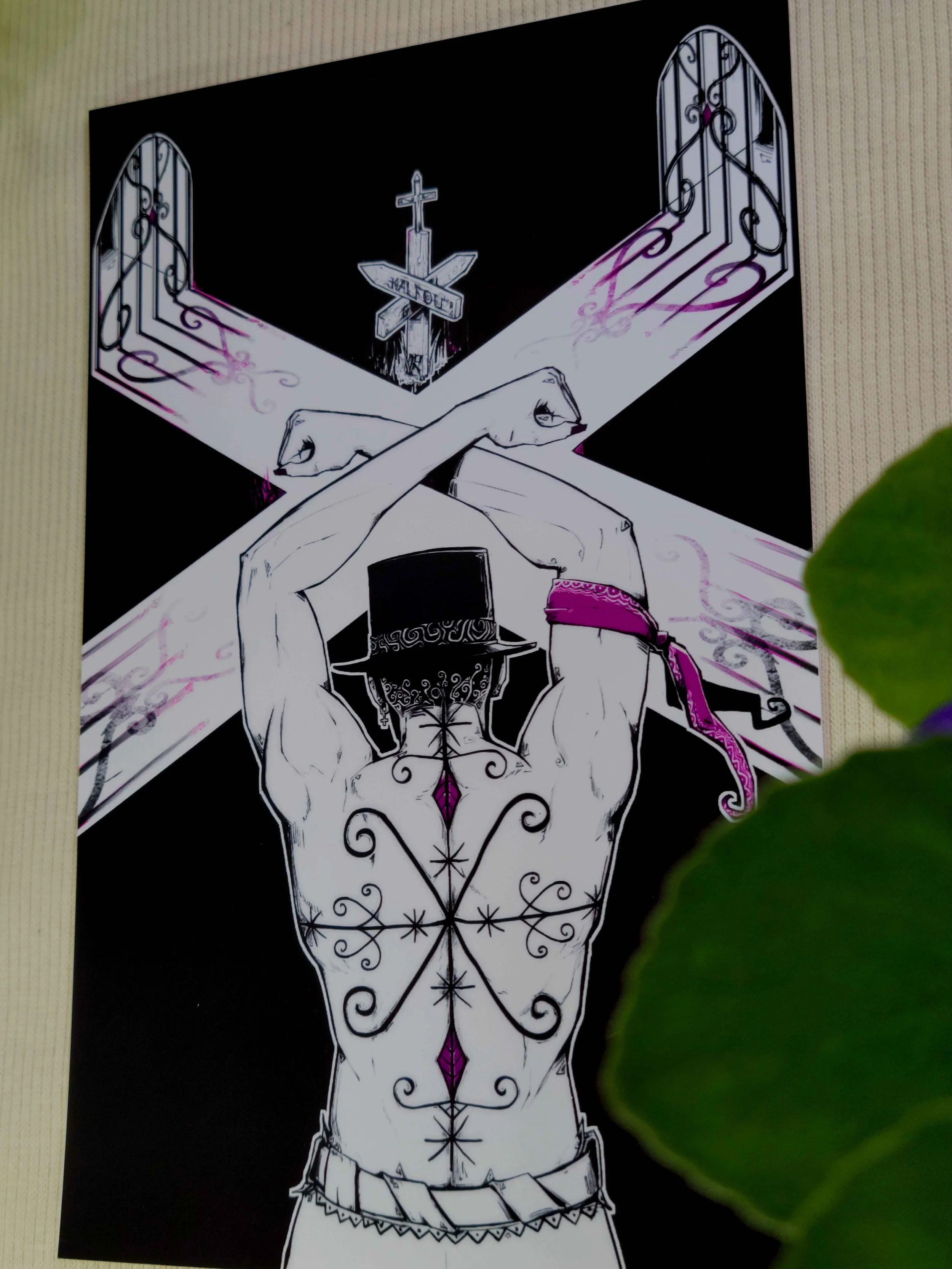
Inspired by Haitian Vodou mythology
signed and dated by artist
limited quantity available
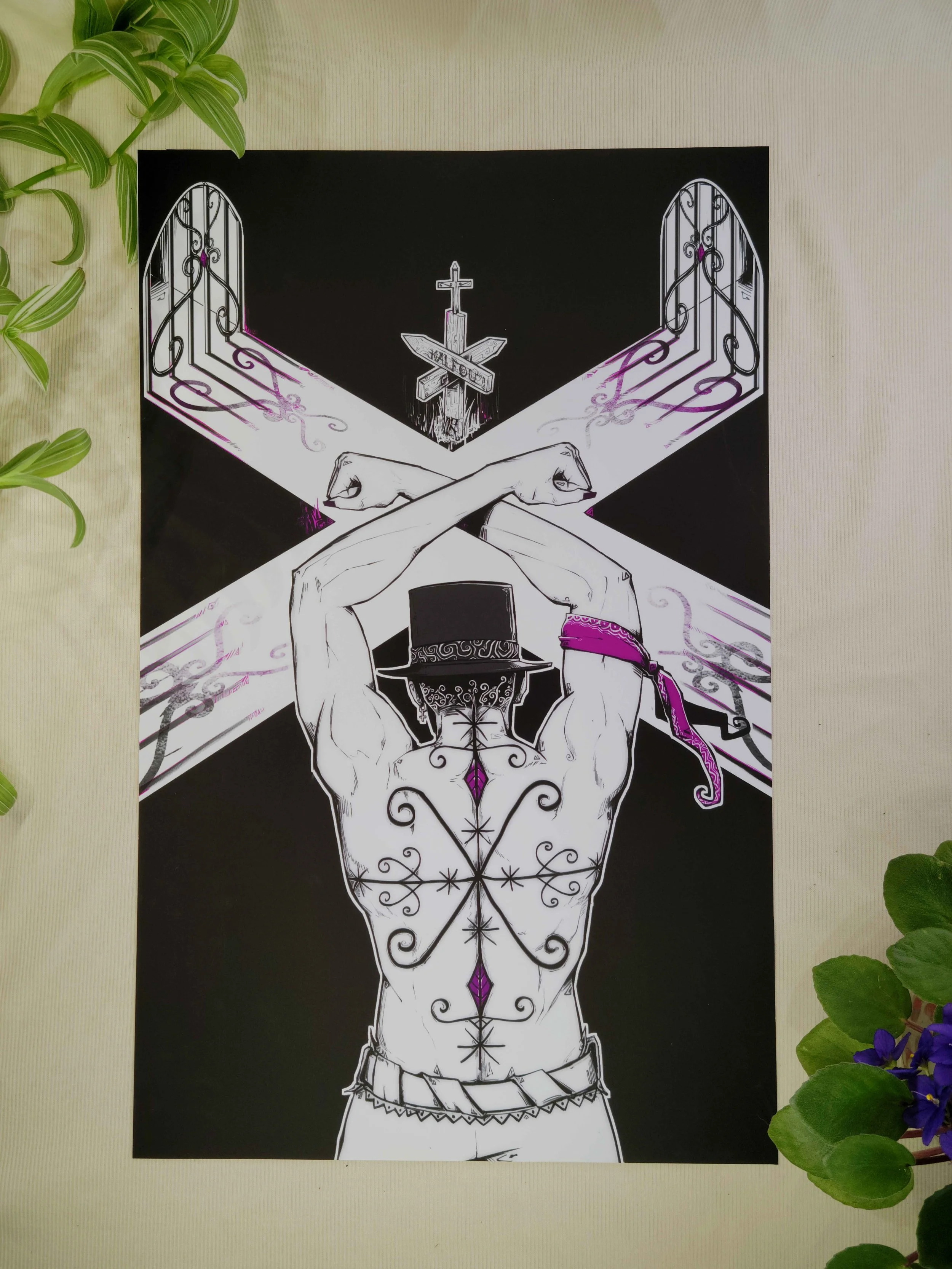
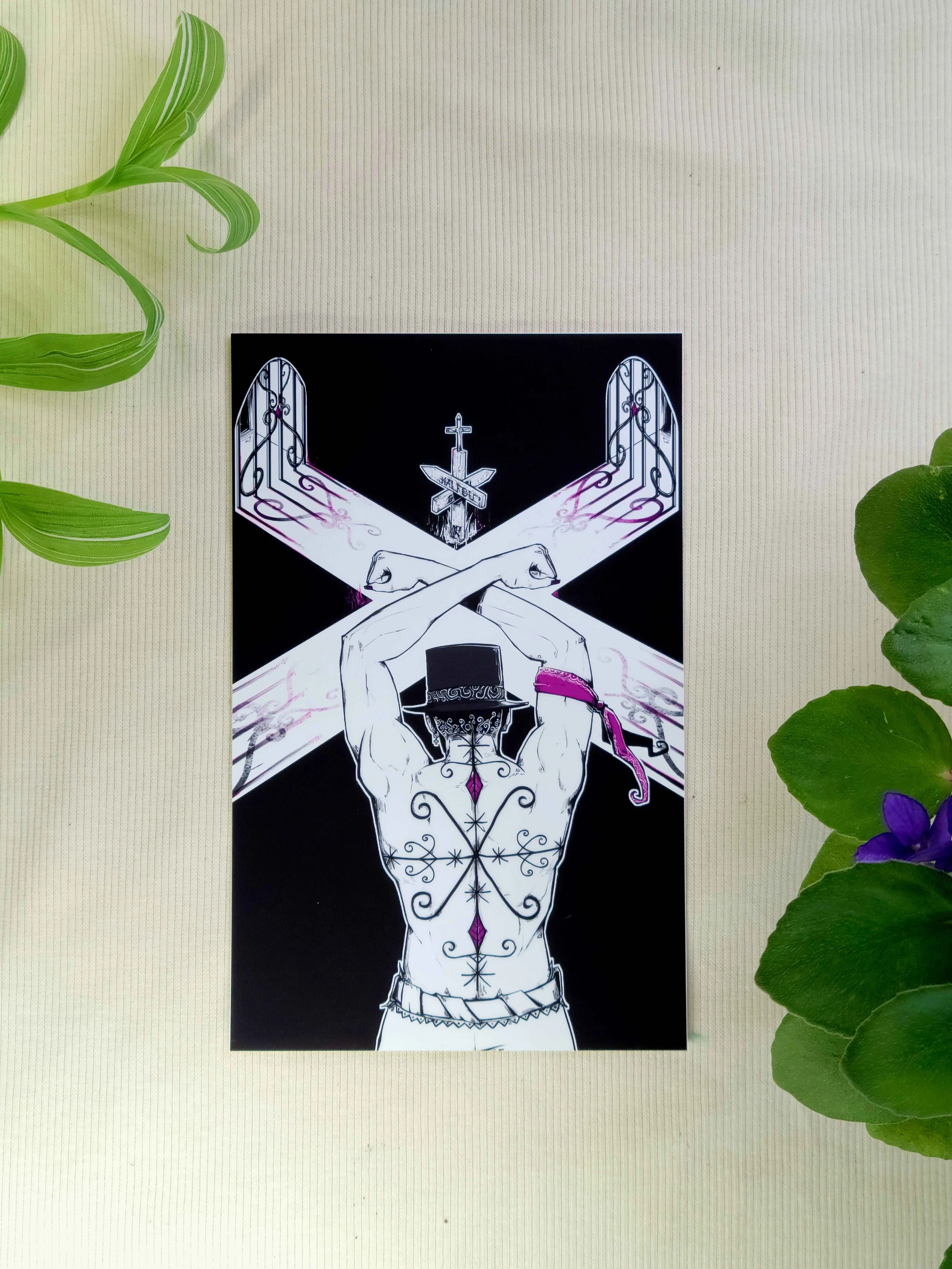
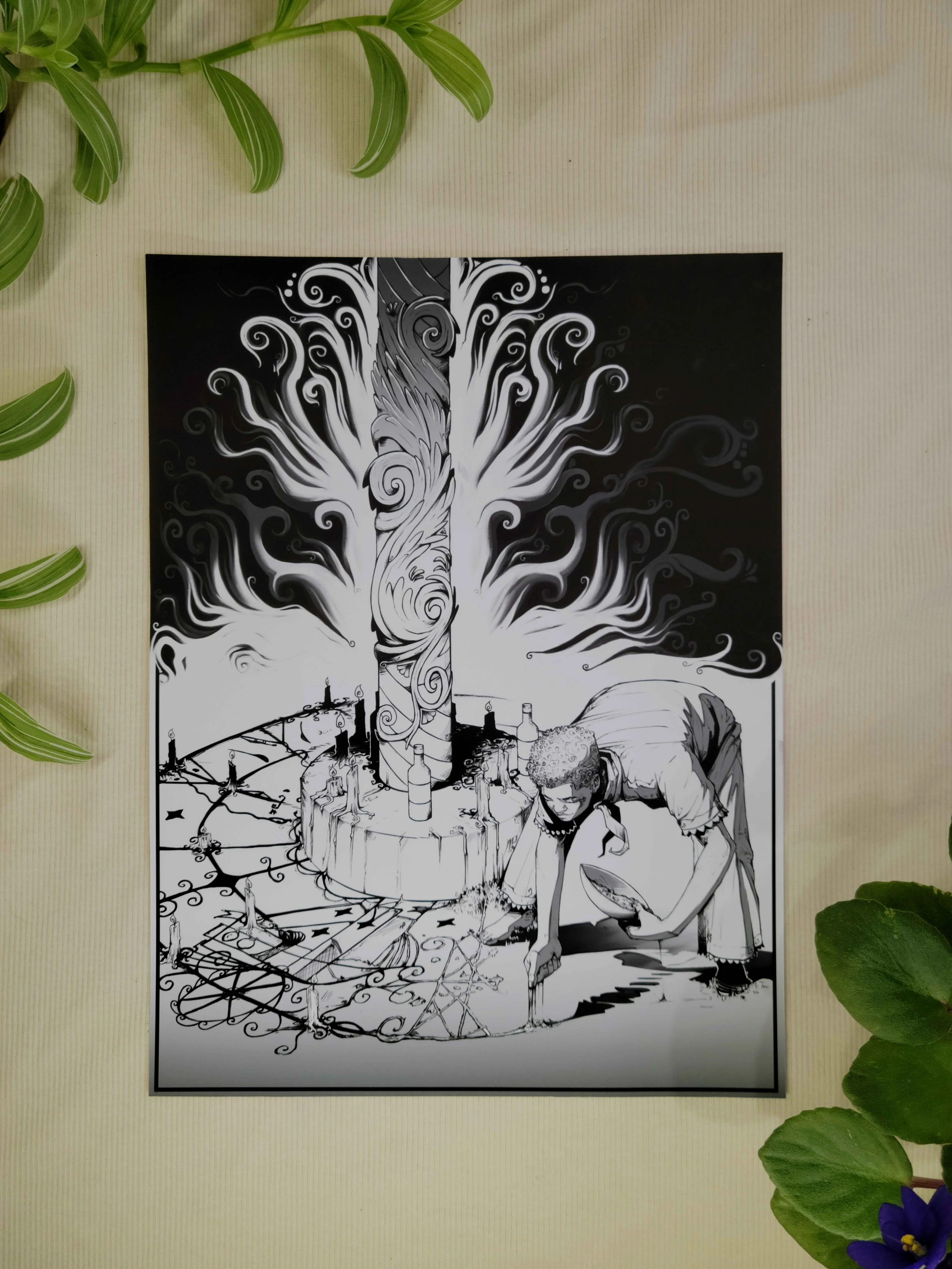
The poto-mitan, the center post that supports all peristyles (Vodou temples) and serves as the means through which the loas arrive at the ceremony, is also called Poto-Legba.
The poto-mitan, charged with cosmic vibrations, often has a phallic attribute—a remnant of Legba’s past and a link between him and the Gede.This phallic symbol that links Legba with the Gede, represents resurrection, fertility, and knowledge. If Legba represents the sun, the beginning of all Vodou ceremonies, Gede Nibo—whom he shares the poto-mitan with—represents the end of the ceremony, the abyss into which the sun descends.
8.5×11 - 11×14
Printed on Staples Matte Ultra premium photo paper
61lb 230 g/m2
hand trimmed to size expect some imperfection
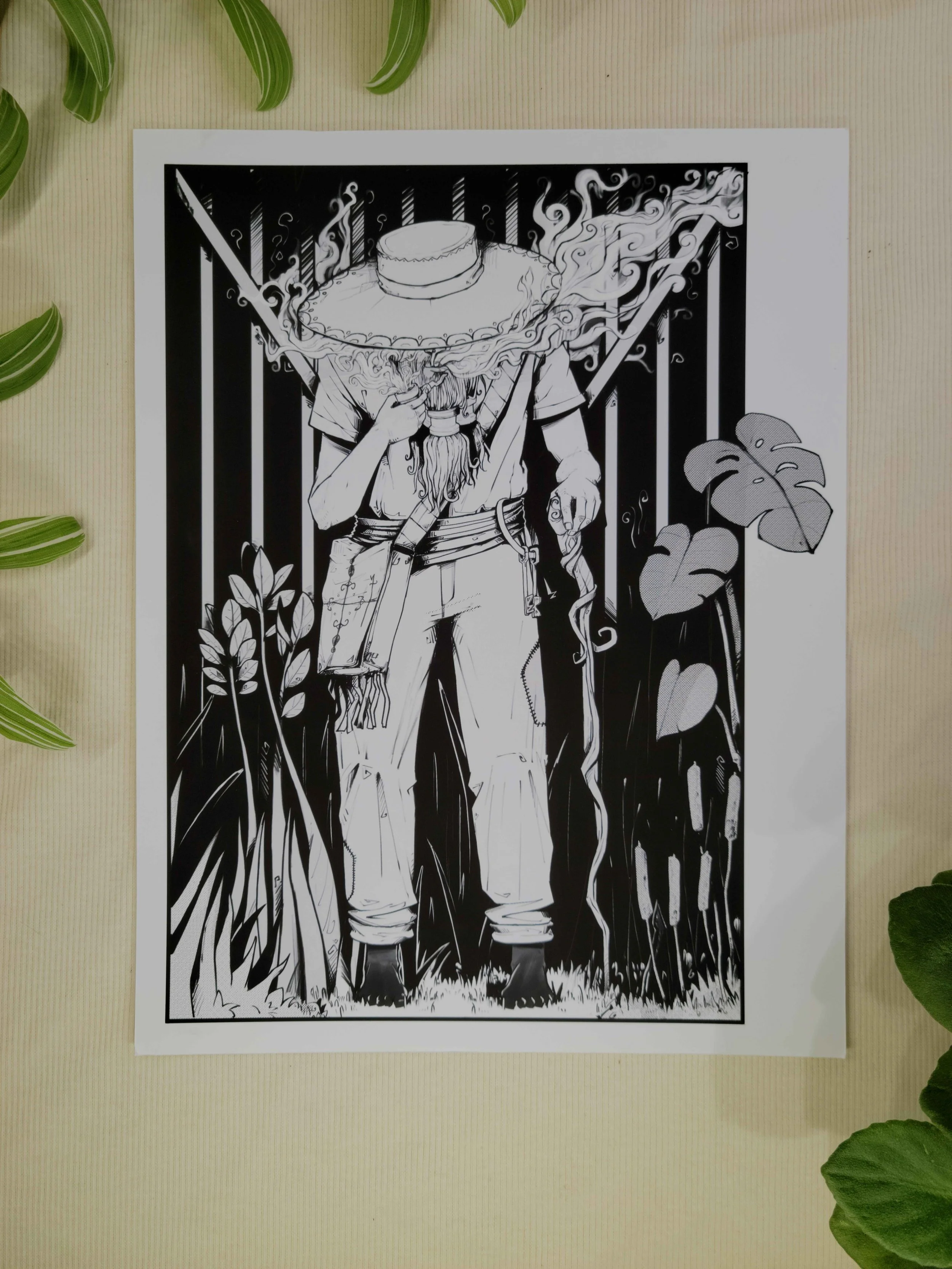
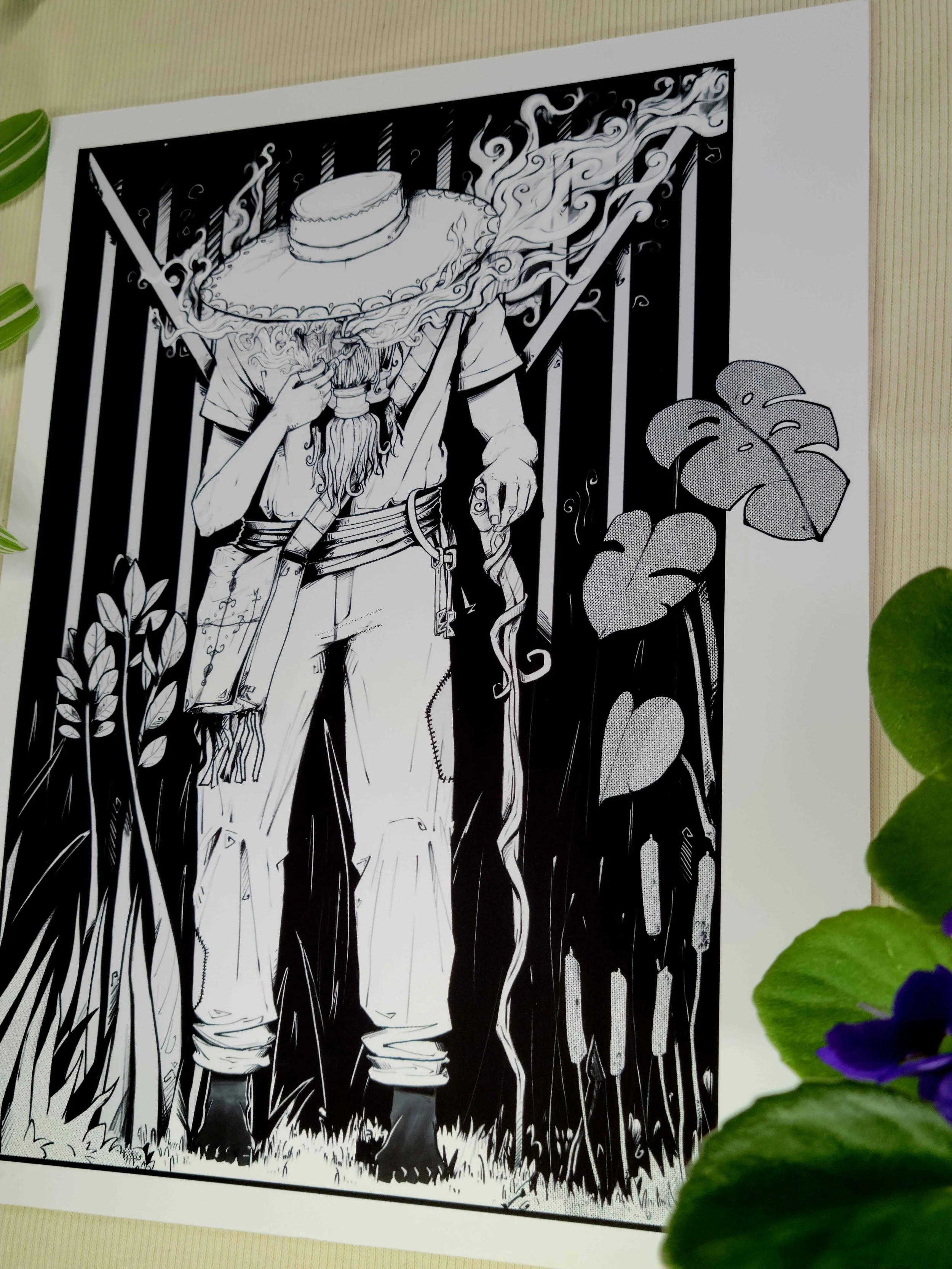
Inspired by Haitian Vodou mythology
signed and dated by artist
limited quantity available
The poto-mitan, the center post that supports all peristyles (Vodou temples) and serves as the means through which the loas arrive at the ceremony, is also called Poto-Legba.
The poto-mitan, charged with cosmic vibrations, often has a phallic attribute—a remnant of Legba’s past and a link between him and the Gede.This phallic symbol that links Legba with the Gede, represents resurrection, fertility, and knowledge. If Legba represents the sun, the beginning of all Vodou ceremonies, Gede Nibo—whom he shares the poto-mitan with—represents the end of the ceremony, the abyss into which the sun descends.